To organize closets and cabinets, start by purging: take everything out and keep only what you use. Then group items by type, store everyday things between waist and eye level, put seasonal items up high and heavy items low, and use hooks, labeled bins, dividers and Lazy Susans so each item has a fixed place. The tips below work room by room.
Purge First
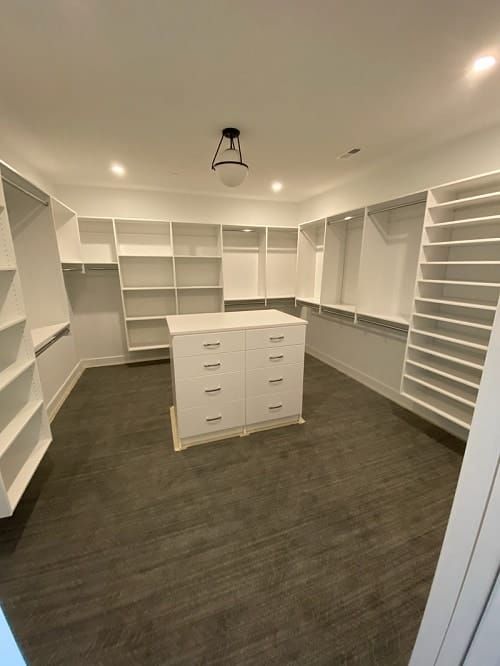
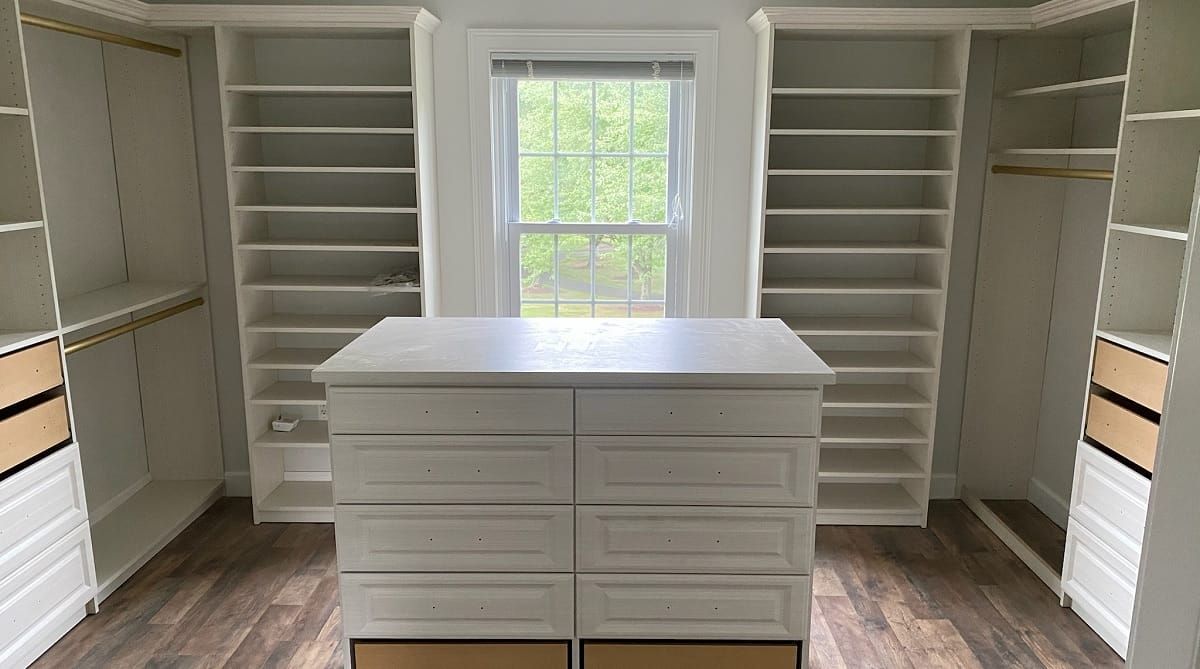
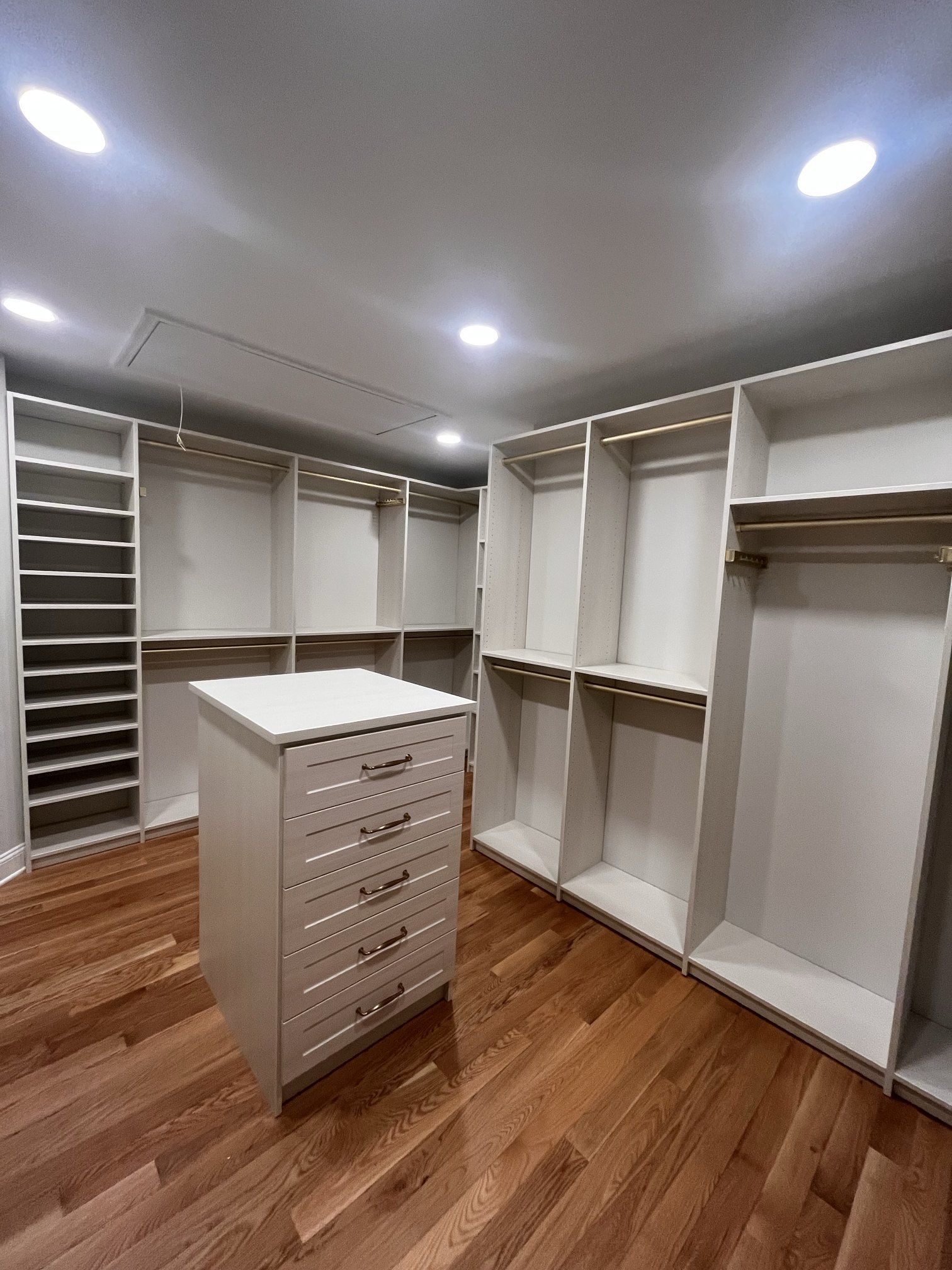
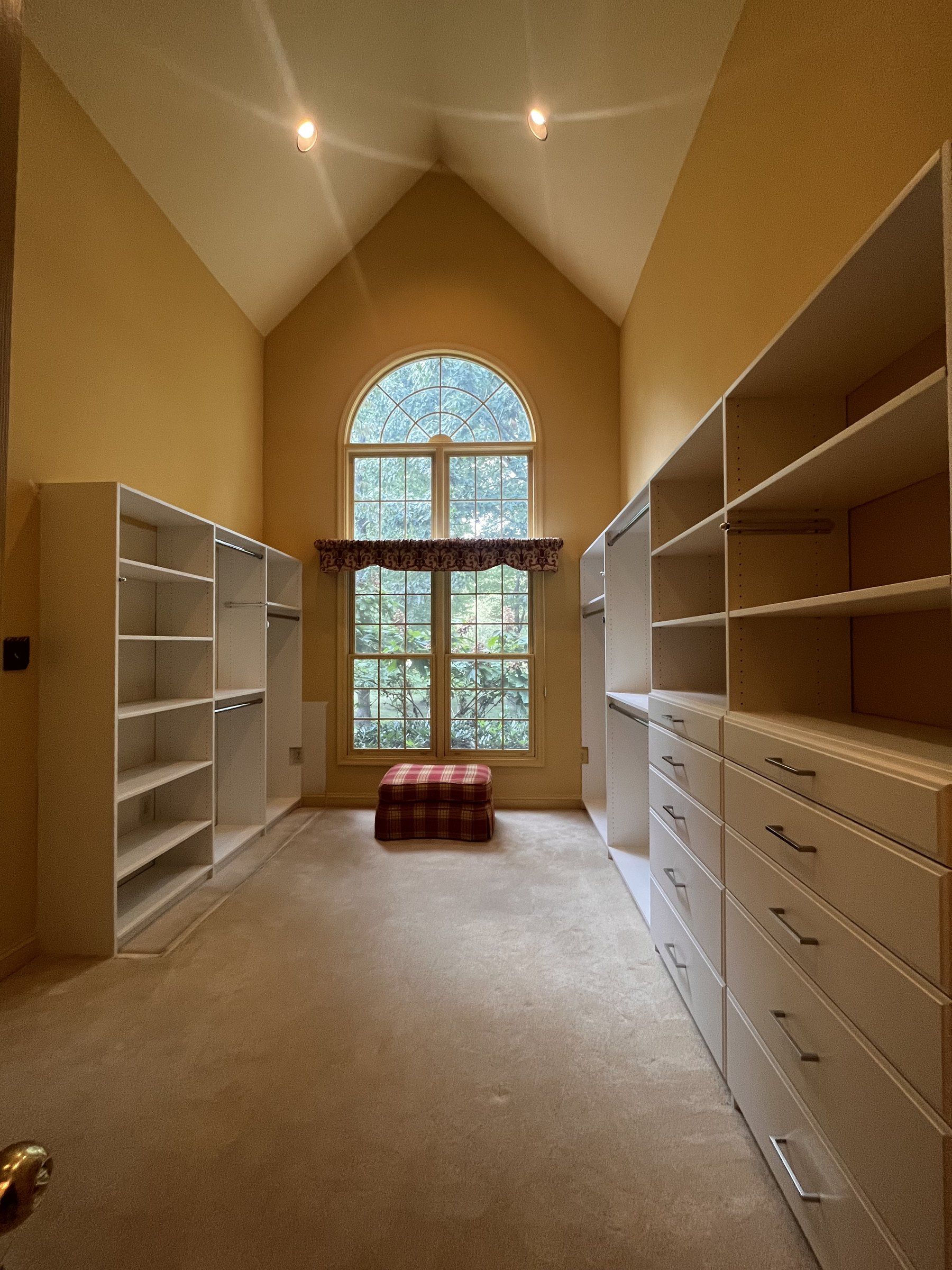
Even a well-designed walk-in closet system won’t work if the space is full of things you no longer use. Whether you are sorting a clothes closet, pantry or playroom, begin by taking everything out and deciding what you can let go of. Don’t worry if you don’t get it all edited on the first try; it takes time to clear a really messy closet. Our guide on how to declutter your home has a room-by-room plan.
Store by How Often You Use It
The single rule that keeps closets and cabinets organized is placement by frequency.
| Zone | What goes there |
|---|---|
| Waist to eye level | Things you use every day |
| Top shelves | Seasonal and rarely used items, in labeled bins |
| Low shelves and floor | Heavy items, shoes, bulk supplies |
| Door and side walls | Hooks and racks for small, frequently grabbed items |
Bedroom Closets
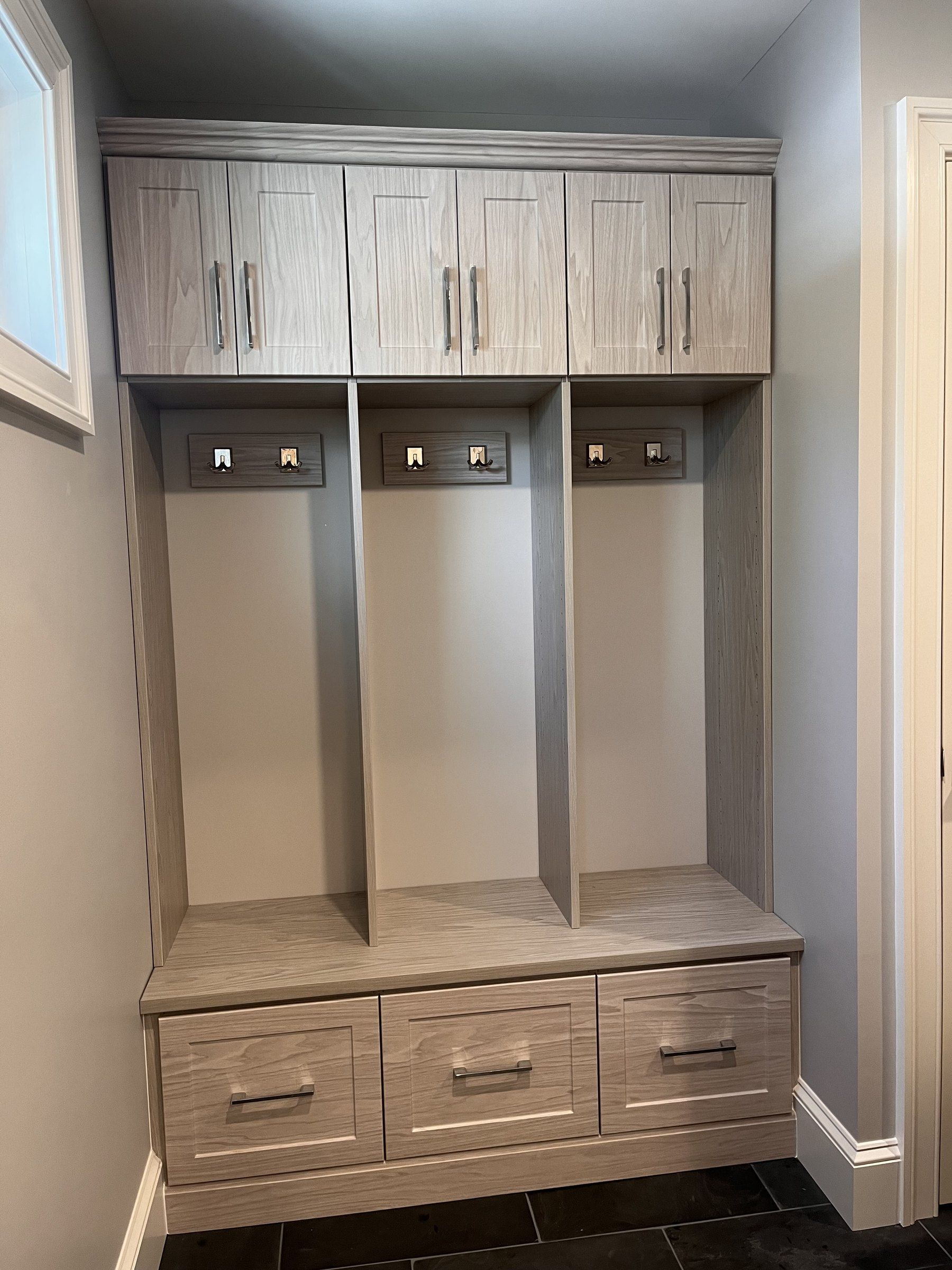
Add Wall Hooks
Installing hooks in or near your closet is the first step against a messy floor. Use them for bags, scarves, necklaces or clothes you have worn once and plan to wear again.
Shoe Storage
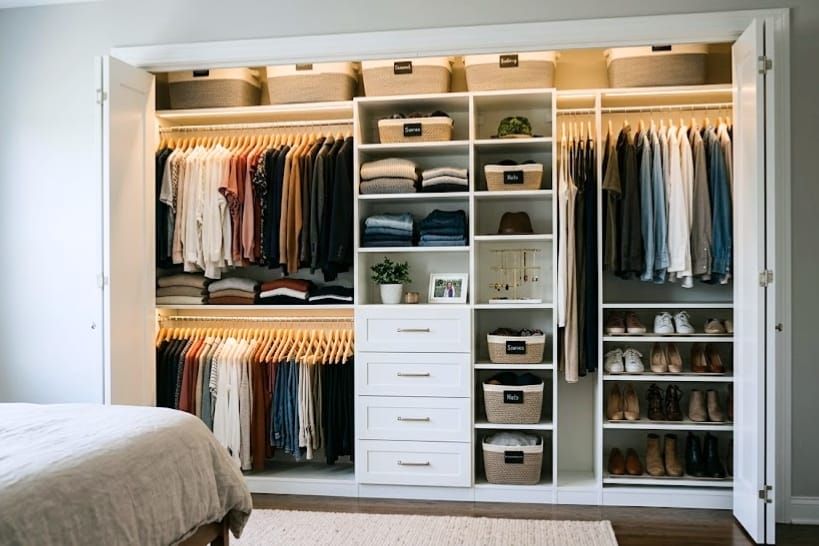
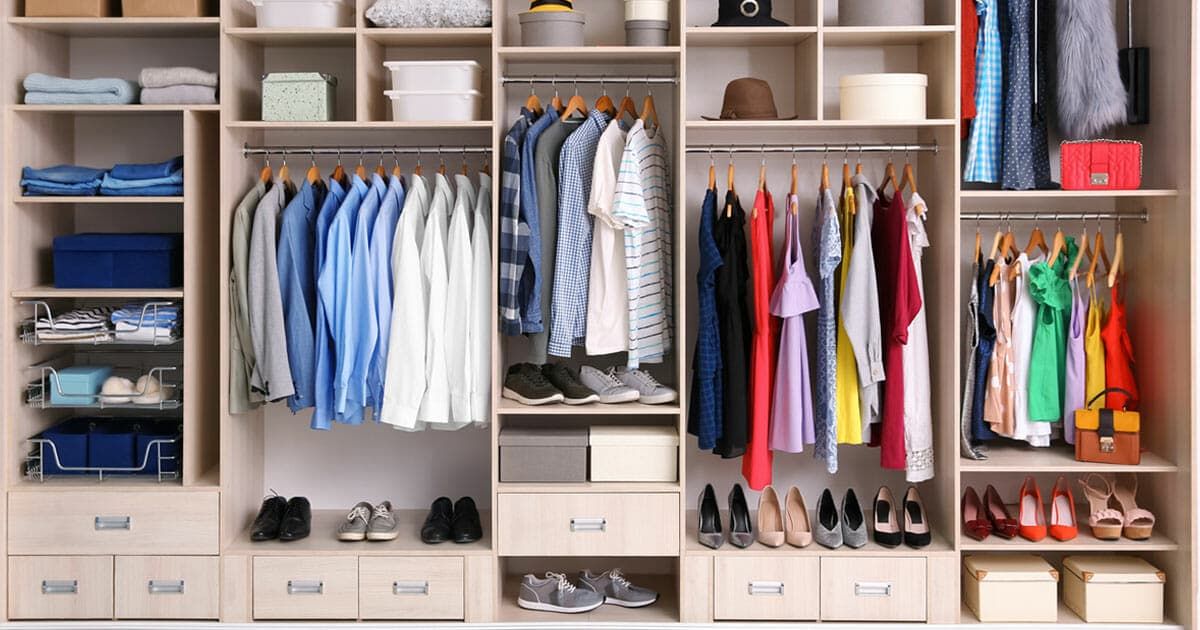
Clear shoe boxes look great and stack neatly, but if putting them back is too much trouble, you will stop using them. For more practical shoe storage ideas, use open shelves set to the right height for your shoes. Adjustable shelves let you change the spacing as your shoes change.
Labeled Bins
Workout clothes, swimwear and sweaters are good candidates for bins. Store frequently used pieces in bins between waist and eye level and items you rarely use on higher shelves. Measure your shelves and the size of your drawers before buying bins, so they fit comfortably.
Children’s Clothes
Once kids are old enough to dress themselves, consider swapping hangers for drawers or bins. Bins labeled with a picture and a word can be pulled out where they are needed and easily returned. Sort clothes by type (tops, bottoms, pajamas) or by day of the week. Our closet organization tips for families cover kids’ closets in more detail.
Linen Closets
Fold each sheet set and store it inside one of its pillowcases, so the whole set comes out together. Group sets by bed size or by room. Keep everyday towels at eye level and spares higher up. Bins or baskets corral washcloths, travel toiletries and first-aid supplies, and shelf dividers keep tall towel stacks from leaning.
Pantry and Kitchen Cabinets
Snack Foods
Bags and packages topple over and create chaos in the pantry. Store snack foods and staples in lightweight open-top bins or wire baskets. When you are running low, you can see what needs replenishing, and everything has a place.
Lazy Susans
Digging through bottles, jars and cans to reach something at the back of a pantry or corner cabinet is a pain. A Lazy Susan or two lets you rotate the contents with a quick spin, which works well for oils, sauces, spices and vitamins.
Group by Task
Keep baking supplies together, breakfast items together and lunch-packing supplies together. Shelf risers double the usable space for cans and mugs, and wall hooks inside a pantry door hold market bags, dish towels and aprons.
Bathroom Cabinets
Empty the cabinet and throw out expired medicine and old products. Sort what is left into daily use, backup supplies and first aid. Keep daily items at the front, use clear bins or small drawers for each category, and put a turntable or pull-out bin under the sink so nothing gets lost behind the pipes.
Storage and Utility Closets
Sort by category (cleaning supplies, paper goods, tools, holiday items) and give each one a shelf or a labeled bin. Keep heavy items low and rarely used items up high. Wall hooks hold brooms, mops and the vacuum hose off the floor. In the laundry area, the same approach works with shelves above the machines; see our custom laundry room ideas.
Keep It Organized
- One in, one out: when something new comes in, something old leaves.
- Five-minute reset: once a week, put strays back and straighten bins.
- Seasonal swap: twice a year, rotate seasonal clothes and re-check the pantry and bathroom for expired items.
When the Space Itself Is the Problem
If closets and cabinets stay cluttered after you purge, the layout may be the issue. Closets For Less designs and installs custom closets, pantries and laundry rooms in Bucks County, Montgomery County and the Philadelphia area, starting with a free in-home consultation, followed by a 3D design you can revise before anything is ordered. For budgeting, see our custom closet cost guide.