To declutter your home, work one room and one small section at a time. Start with an easy area like the entryway, sort everything into Keep, Donate, Toss and Relocate, and finish each spot before moving on. Then give what you keep a clear home with the right storage, so the clutter does not creep back.
Feeling overwhelmed by clutter? It happens to the best of us. One day your home feels fine, and the next, you’re wondering how you ended up with so much stuff. The good news is you don’t have to declutter your whole house in one go. Breaking it down room by room makes the process less stressful and more effective.
Follow this simple walkthrough for every major area in your home. You’ll learn what to keep, what to toss, and how good organization, including smart storage space like a custom closet, can help you stay clutter-free long term.
Tips to Make Decluttering Easier
Before diving into each room, keep a few helpful guidelines in mind. These simple tips will speed up the decluttering process and help you make confident decisions.
Work in Small Sections
Start with one drawer. One shelf. One corner. It’s easier to build momentum when the task feels manageable.
Sort Everything Into a Few Categories
Use four basic piles: Keep, Donate, Toss, and Relocate (for items that belong in another room).
Try the 5-Second Rule
If you can’t remember the last time you used or wore something within five seconds, it’s probably safe to let it go.
Use the 12/12/12 Method
Find 12 things to throw away, 12 to donate, and 12 to return to their proper place. It’s a great way to make fast progress.
Let Go of Guilt
You do not have to keep sentimental items just because someone gave them to you. Keep what still feels meaningful, donate the rest.
Pay Attention to Patterns
If certain spaces always feel out of control, it might not be because you have too much stuff. It might be that your storage space isn’t working. That’s where custom closet storage solutions for small homes or built-in organizing systems can make a big difference.
Once you have your piles ready and your approach in place, you’re ready to move from room to room with a clear head.
Our Room-by-Room Guide to Decluttering Your Home
Start With the First Stop… the Entryway
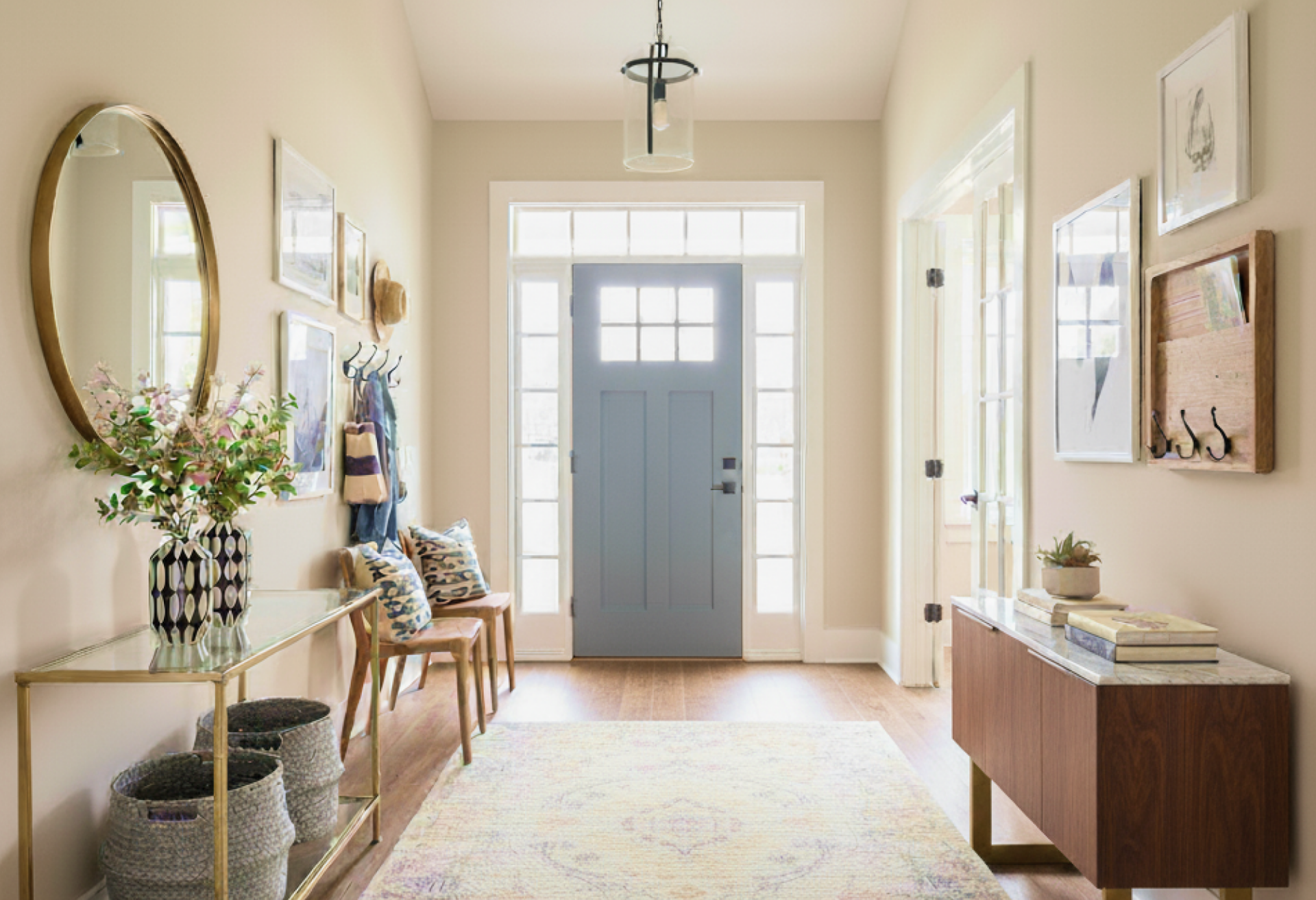
The entryway or front hall tends to collect everything, shoes, coats, keys, mail, and backpacks. Because it’s the first stop when you walk in, it sets the tone for the rest of the home.
Start here:
- Remove everything from hooks, walls, and shelves.
- Sort items into what you use daily and what doesn’t belong here.
- Move off-season items into storage or closets elsewhere.
- Toss torn gloves, old flyers, or anything expired.
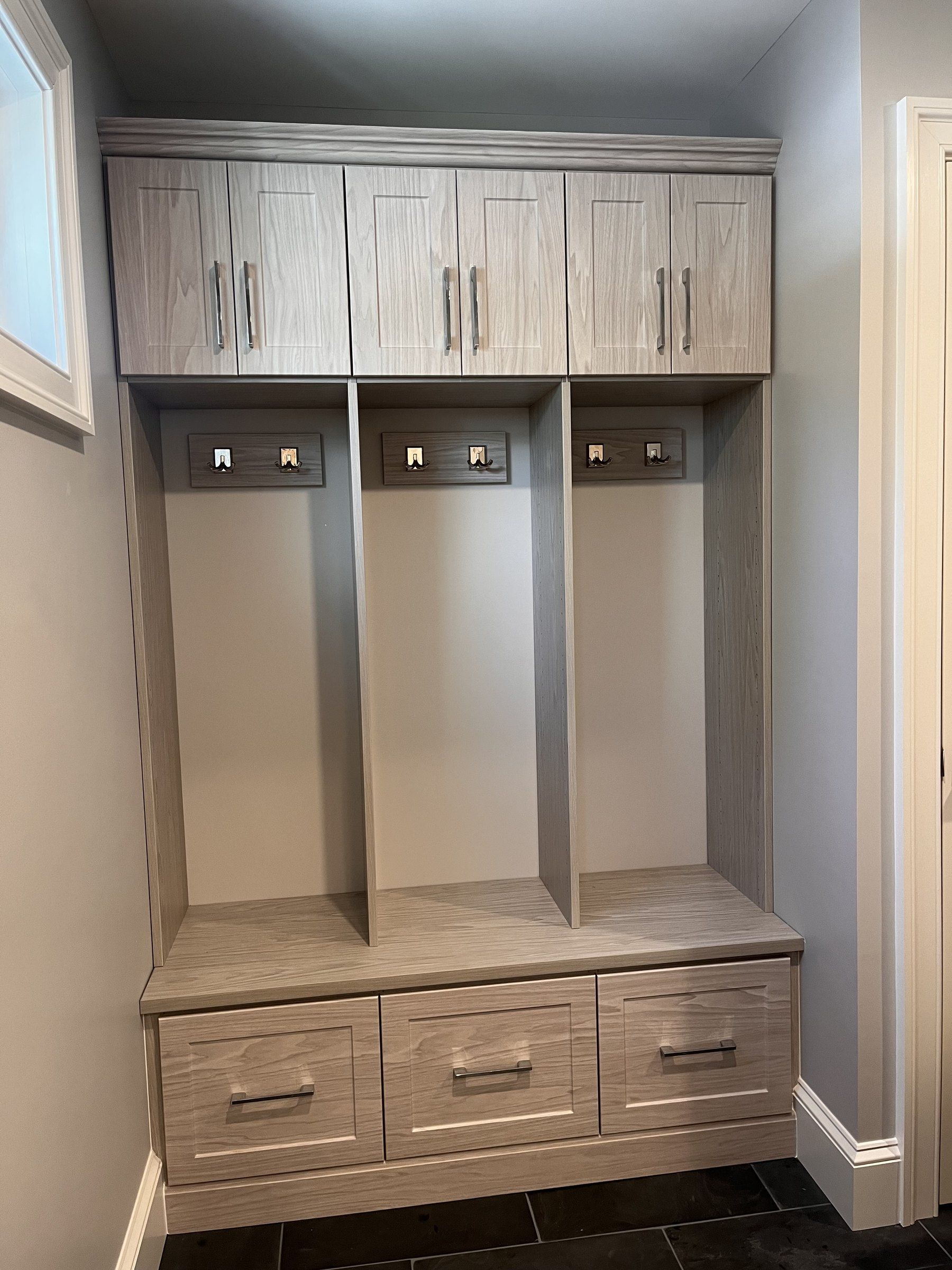
To keep this space organized, consider a mudroom setup. A custom mudroom with hooks, cabinets, and cubbies gives shoes and coats a clear home, and helps prevent stuff from spreading to the rest of the house.
Related Articles: Mudroom Closet and Storage Ideas and Mudroom Organization Ideas for Families
The Kitchen
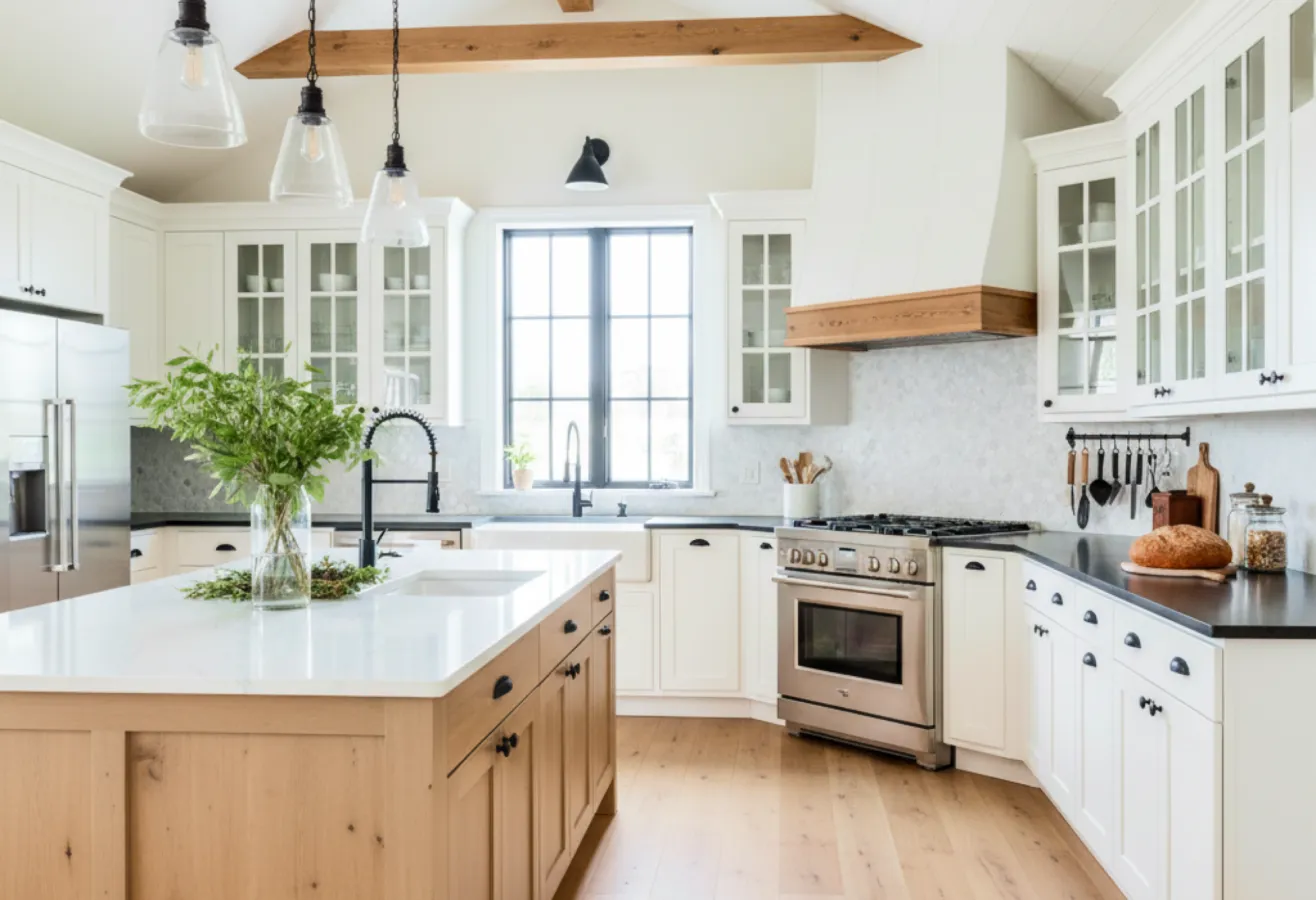
The kitchen is one of the most-used areas in the home, so it clutters quickly. If your kitchen counters are always covered in mail, appliances, or odds and ends, start by clearing everything off.
Tidy in small chunks:
- Open the junk drawer and dump everything out.
- Sort what’s useful and toss what’s broken or hasn’t been touched in months.
- Go through cabinets and toss expired food or unused gadgets.
- Group like items together, baking tools with baking tools, mugs with mugs.
Once you’ve trimmed down, make it easier to stay organized with drawer dividers and cabinet bins. The less you have, the easier it is to cook, clean, and enjoy your space.

The Living Room
This is where you hang out, unwind, and maybe even eat the occasional dinner on the couch, so it makes sense that clutter builds up here, too.
Try this:
- Grab a laundry basket and collect anything that doesn’t belong, shoes, dishes, toys.
- Clear flat surfaces like coffee tables and side tables.
- Sort through books, throw blankets, and electronics.
- Decide if you actually use everything or if there’s just too much stuff lying around.
Furniture with built-in storage, like ottomans or TV units with drawers, can be a great way to tuck things away without taking up extra room.

The Bedroom
Start with what you can see.
Clear off your nightstand, dresser, and any chairs. Throw away wrappers, old receipts, or anything you just haven’t dealt with yet. Return dishes, chargers, or books to their proper rooms. Make your bed.
A few clear surfaces make a big difference.
Then move to clothing.
Pick one type at a time, start with jeans, then shirts, then sweaters. Don’t try to take on the whole closet at once. Sorting by category makes decisions easier. Keep only what fits and what you actually wear.
You’ll end up with four piles:
- Keep: The clothes you love and wear often
- Donate: Anything in good condition you no longer need
- Launder: What needs to be washed before going back
- Repair: Items worth fixing, like sweaters with snags or pants with missing buttons
Hold onto a few sentimental items, but don’t let them take over the space. One small box can hold the important things, old love letters, your college sweatshirt, and the rest can move on.
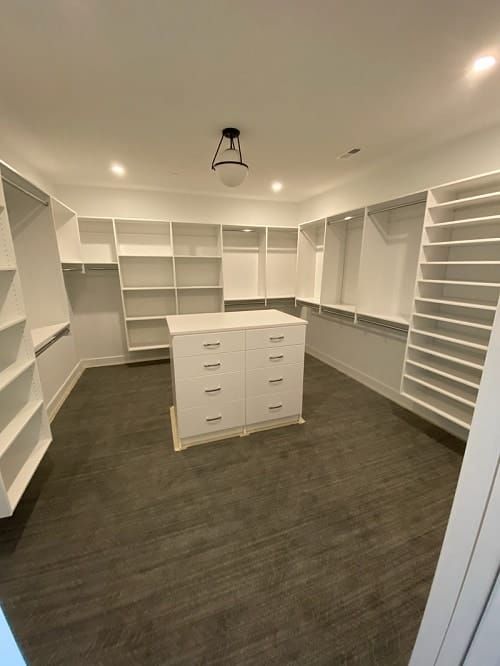
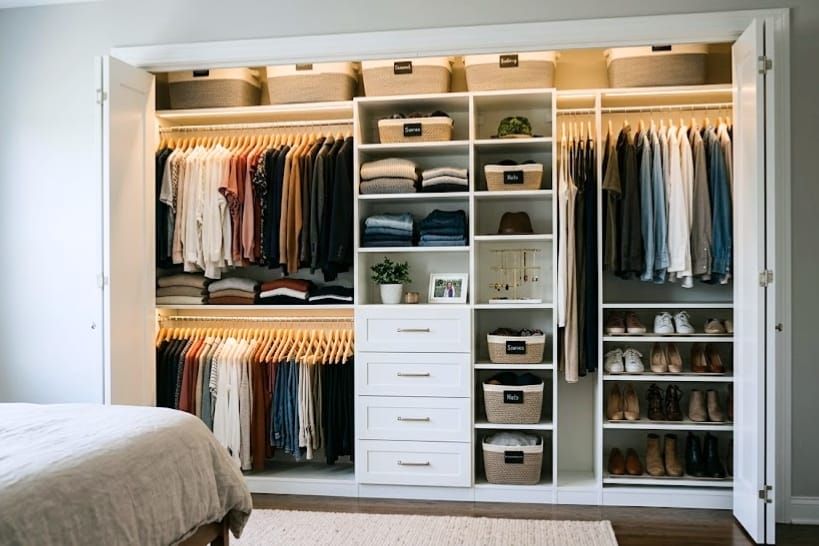
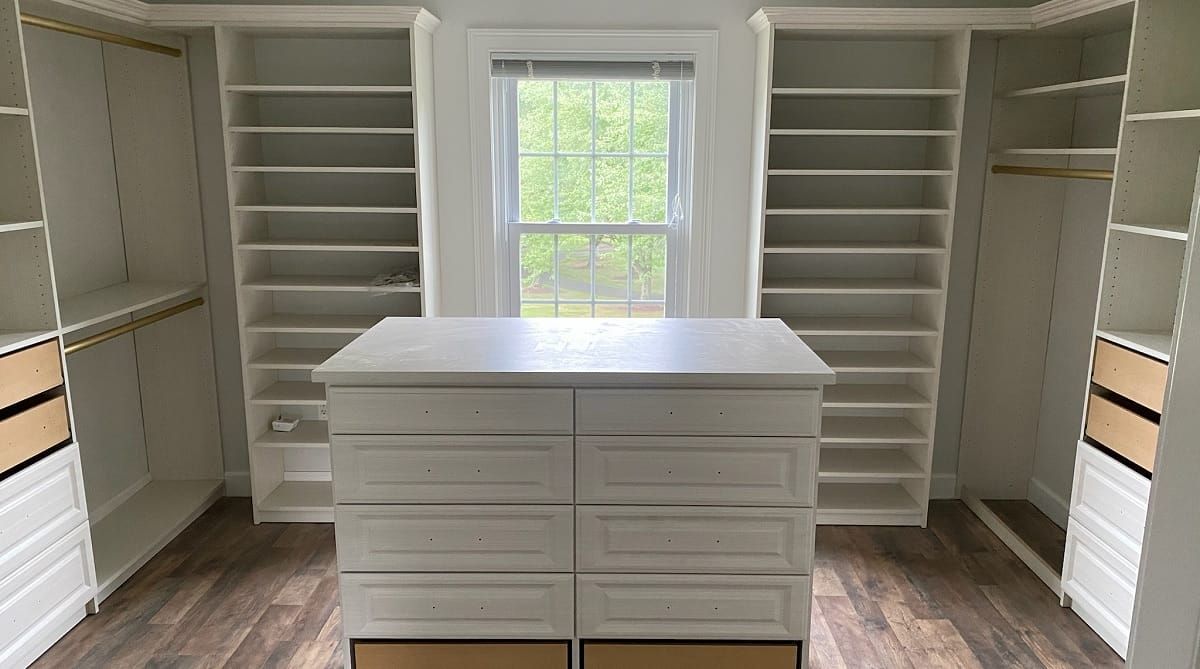
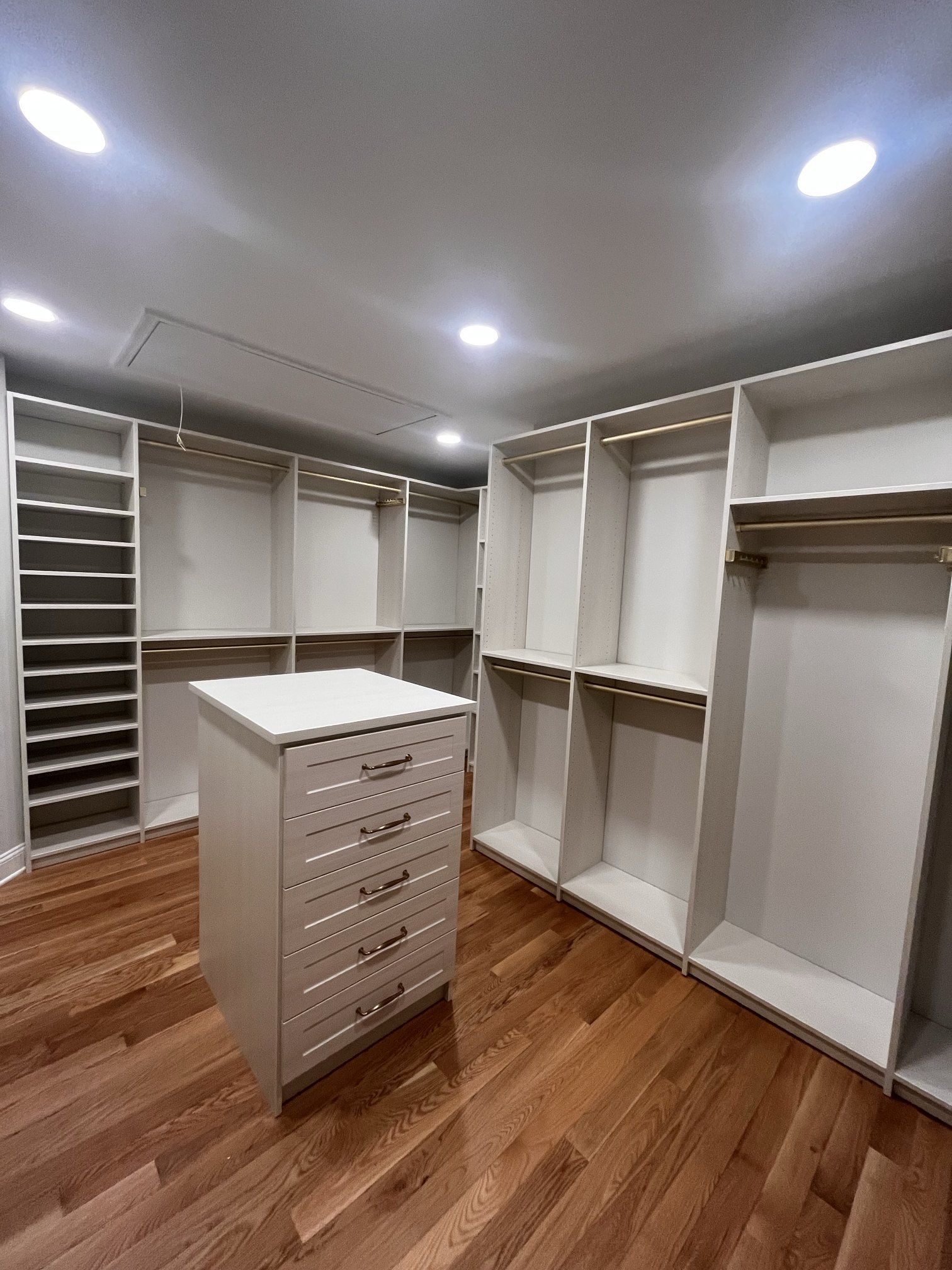
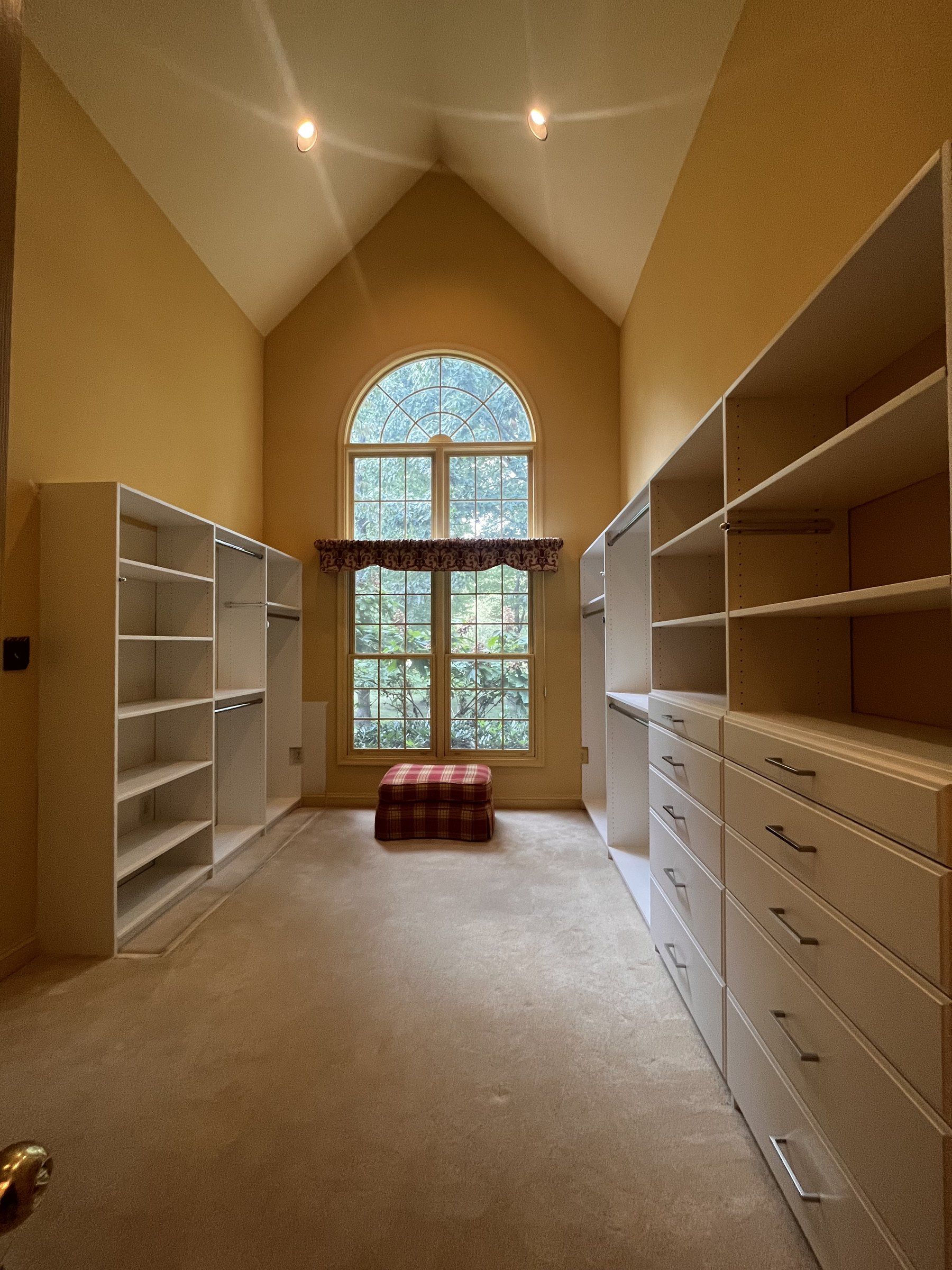
If your closet still feels packed after decluttering, it might be the layout, not how much stuff you own. A custom closet can make better use of your storage space with drawers, shelves, and hanging areas that match how you live. When everything has a place, it’s easier to keep your room calm, not cluttered.
Start small. One category, one drawer. Soon, your bedroom will feel lighter, and more restful.
The Closet
OK, this one is tough. Because if you’re anything like most people, your closet is an overflowing storage unit for your clothes. They’re easy to fill and easy to ignore.
Here’s how to declutter your closet:
- Pull out clothes by type, jeans, then sweaters, then shirts.
- Use the five-second rule, can’t remember the last time you wore it? Donate it.
- Create these basic piles: Keep, Donate, Repair, Laundry.
- Don’t forget shoes, accessories, and out-of-season clothing.
A cluttered closet makes getting dressed harder than it needs to be. If you’re constantly rearranging piles or running out of room, it may be time for a storage upgrade.
Once the closet is sorted, look at the layout. A custom closet can be designed around what is left, with adjustable shelves, drawers, shoe racks and double-hang rods. Closets For Less designs reach-in closets and walk-ins in Bucks County, Montgomery County and the Philadelphia area. Better storage keeps your wardrobe neat without needing to get rid of everything you own.
Related Article: 5 Creative Ways to Upgrade Your Custom Shoe Closet
Kids’ Rooms
Toys, clothes, games, school projects… kids’ stuff adds up quickly. If their room feels chaotic, start with the basics.
Simple steps:
- Sort clothing regularly, remove items that don’t fit.
- Group toys by type and donate duplicates or broken pieces.
- Set up bins or drawers with labels (pictures work well for younger kids).
- Store sentimental items like handmade crafts in a separate box.
Getting your child involved can help them learn to let go of things and stay organized. Custom closet organizers at their height make it easier for kids to put things back where they belong.
The Home Office
Whether you work remotely or just manage bills here, your home office deserves clarity, not piles of scattered supplies.
Here’s what to do:
- Clear your desk surface and empty all drawers.
- Toss dried-up pens, old to-do lists, and outdated tech.
- Keep only the essentials, paper, pens, chargers, folders.
- Use small trays or drawer dividers to prevent clutter from creeping back.
Label file folders clearly, and scan or shred anything you’re keeping “just in case” but haven’t touched in years. A clean desk helps you focus and stay productive.
The Laundry Room
This room is easy to overlook, but if you’re constantly stepping on stray socks or don’t know where half your detergent is, it’s time.
Try a fast reset:
- Remove anything unrelated to laundry.
- Toss empty bottles, torn linens, and single socks.
- Group supplies together, detergents, stain removers, wash bags.
- Store everything in a way that’s easy to grab and go.
A custom laundry room setup can include built-in shelves, a folding station, and vertical storage space that makes this chore feel less like, well, a chore.
The Garage or Storage Room
The garage is often a catch-all. If it’s been a few years since you’ve seen the floor, go slow and stay focused.
Tackle by category:
- Start with sports gear, then tools, then old bins.
- Use the 12/12/12 rule: 12 items to toss, 12 to donate, 12 to return where they belong.
- If you haven’t used it in five years, chances are you don’t need it.
- Holding onto useful stuff? A garage sale can be a great way to clear space and pass things along.
Use shelves, pegboards, or hanging racks to store things off the floor, or garage cabinets and slatwall for a permanent setup. Clear labels help you find what you need without digging through everything.
How to Declutter Your House in One Day
A full house in one day is possible if you aim for visible clutter, not every drawer.
| Time | Focus |
|---|---|
| First hour | Entryway and living room surfaces |
| Next two hours | Kitchen counters, junk drawer, one cabinet at a time |
| Midday | Bedrooms: surfaces, floor, obvious closet castoffs |
| Afternoon | Bathrooms, laundry room, kids’ rooms |
| End of day | Load donations in the car and take out the trash |
Set a timer for each room, keep trash bags and donation boxes with you, and do not stop to organize. Deep sorting of closets, paperwork and the garage can come later.
What to Do With the Things You Let Go
Decluttering only works if the items leave the house.
- Donate: Clothing, housewares and toys in good condition go to local charities and thrift stores.
- Sell: Furniture, electronics and brand-name items can sell online or at a garage sale. Set a deadline; whatever has not sold by then gets donated.
- Recycle: Paper, cardboard and electronics should go through proper recycling. Shred documents with personal information.
- Toss: Broken, stained or expired items go in the trash.
Keep the Momentum Going
Decluttering your home won’t happen in a single afternoon. And that’s OK. Take it one room, or even one drawer, at a time. You’ll build habits that last, and your space will slowly become easier to live in.
If you’ve tried everything and still feel like you don’t have enough storage space, it may be your layout that’s letting you down. Custom closets, mudrooms, and built-in storage take into account how you live and what you actually need. Our custom closet cost guide explains what affects the price. That’s what turns temporary tidying into long-term organization.
You don’t need to aim for perfection. You just need to start.