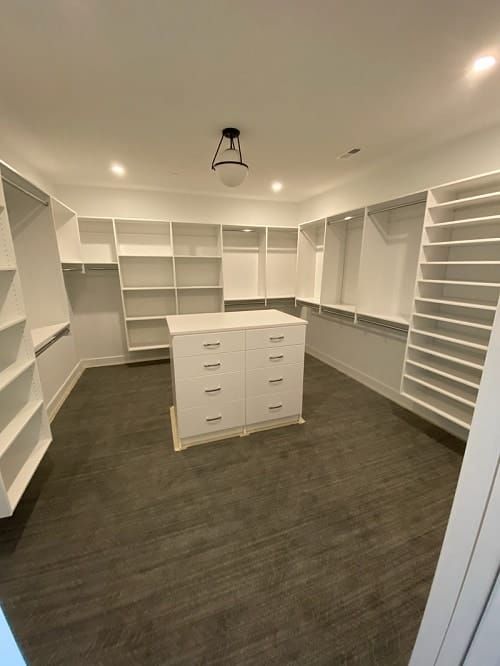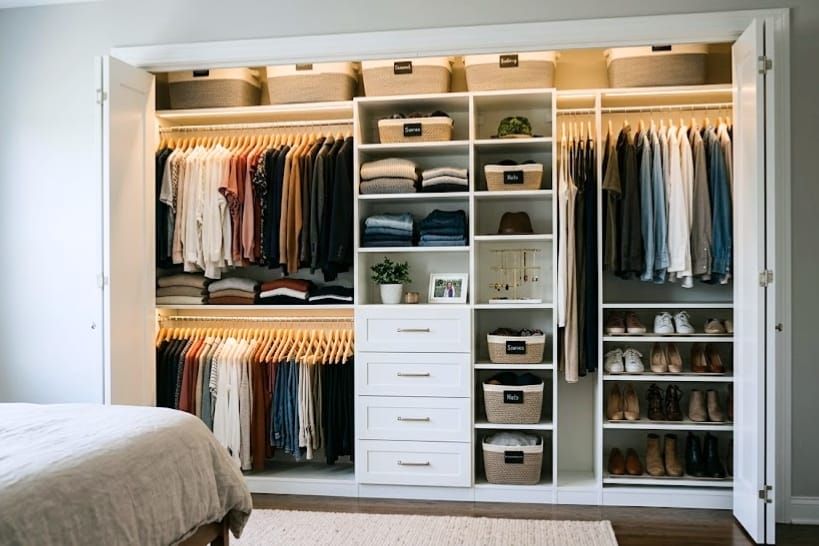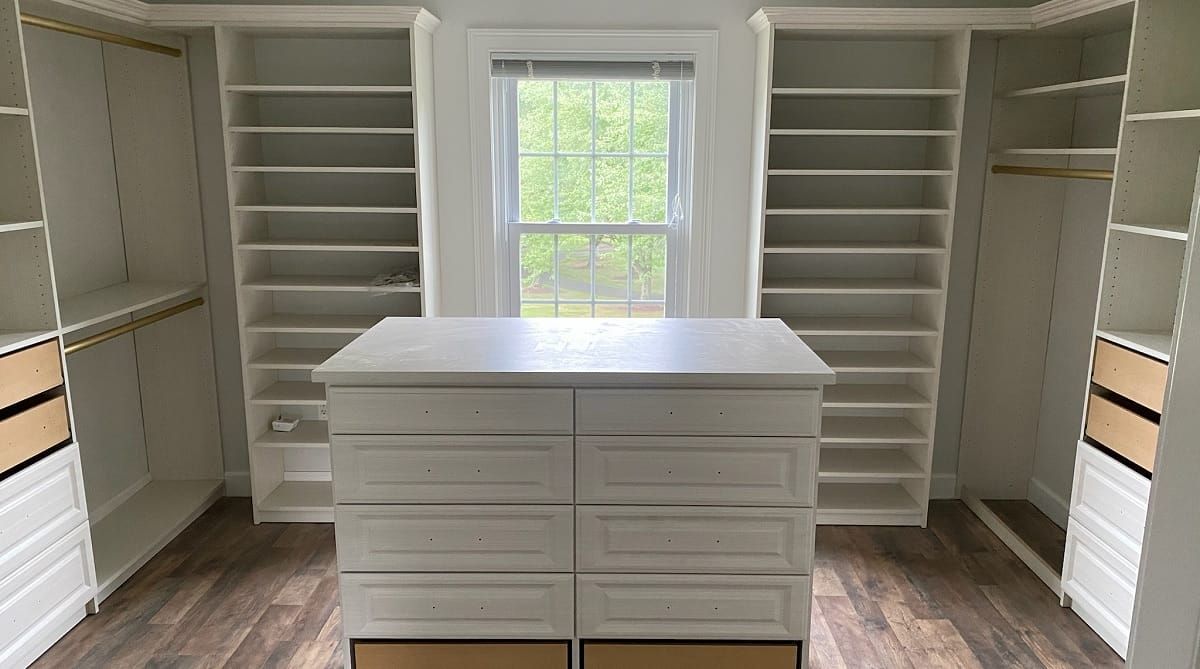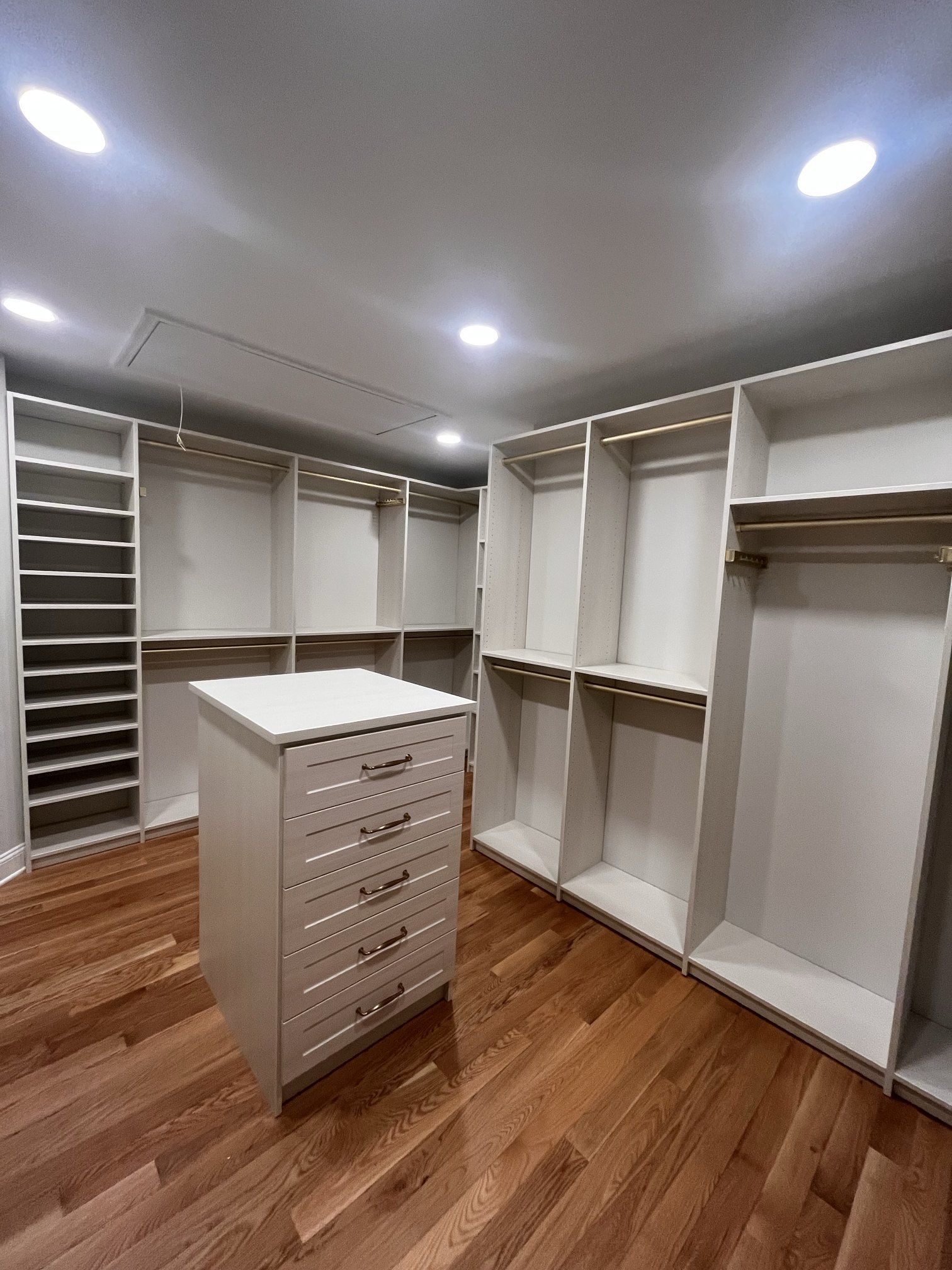
The closet organization ideas that work for families give every person a zone, put kids’ clothes at kid height, keep seasonal items up high and make it easy to put things away: a hamper in every closet, a donation bin and labels everyone can read. Adjustable shelves and rods let the system change as the kids grow.
If you’re a parent, you know that keeping your home tidy with kids running around feels impossible. Shoes are always scattered by the door, backpacks are dumped in hallways, and clothes somehow never make it back to their proper place.
Sound familiar? If so, you’re most definitely not alone. Every parent knows the struggle of maintaining an organized closet when life moves at full speed.
The good news is that with the right closet organization strategies and a few smart changes, you can turn chaotic storage into systems that work for everyone in your household.
Related Article: Bedroom Closet Conversion Ideas: How to Turn a Spare Room Into a Walk-In
Why Family Closets Get Disorganized Fast
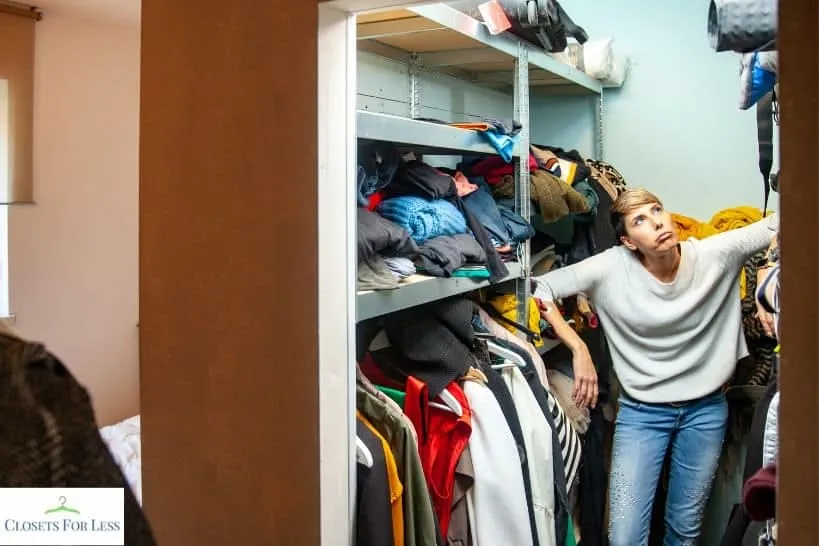
Unlike single-person households, family closets present distinct challenges. The initial step toward achieving long-term order is recognizing the specific reasons your closet space becomes disorganized.
Growing Kids Means Constant Changing Needs
Children outgrow clothes, shoes, and storage requirements faster than most parents can keep up. What worked perfectly six months ago might be completely impractical today. That kid’s closet you organized last spring? It’s probably overflowing with items that no longer fit.
Multiple People Sharing One Space
When family members compete for the same closet real estate, organization systems break down quickly. Everyone has different habits, schedules, and ideas about where things belong.
Daily Routines Work Against Organization
Morning rushes and evening exhaustion don’t leave much room for careful closet maintenance. When you’re trying to get everyone out the door on time, putting clothes back in the right spot becomes the lowest priority.
Seasonal Items Compound the Problem
Families accumulate winter coats, sports equipment, holiday decorations, and school supplies that need homes. Without proper storage solutions for families, these items end up stuffed wherever they fit.
Closet Organization Tips That Actually Work
These organization ideas will help you create systems that stick, even with busy schedules and growing kids. The best way to succeed is to start with one closet and build momentum from there.
Start With a Complete Cleanout
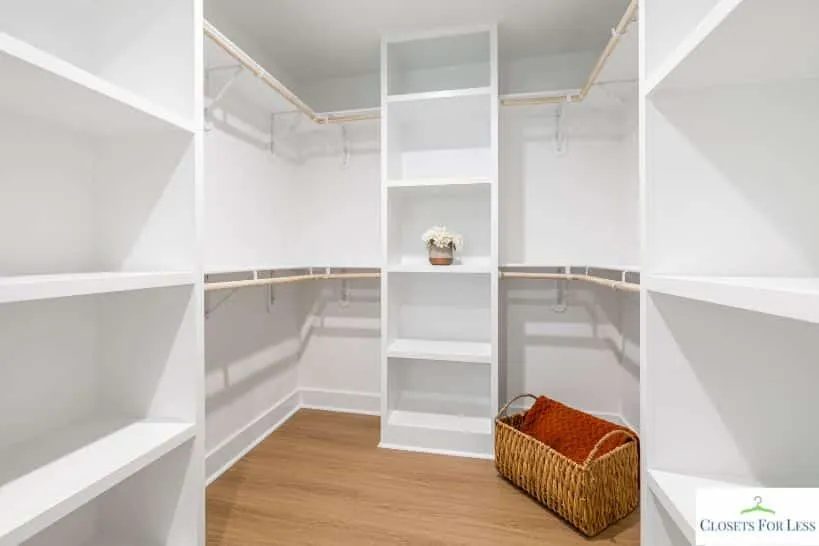
Before implementing any organizational ideas, empty your closet entirely. Yes, completely. This gives you a clear picture of what you’re working with and forces decisions about what stays and what goes. Sort items into keep, donate, and discard piles. Be ruthless. If no one has worn it in a year, it’s time to let it go. Our guide on how to declutter your home has more sorting methods.
Assign Zones for Each Family Member
The best way to maintain an organized closet in a shared space is to give everyone their own designated territory. Label shelves or sections clearly, especially for younger children. When kids know exactly where their belongings go, they’re more likely to put things away correctly.
Lower the Bar, Literally
For organizing closets for kids, accessibility matters more than anything else. Install a second clothing rod at child height so little ones can reach their everyday clothes without help. This simple change encourages independence and makes morning routines smoother for everyone.
Use the Top Shelf Strategically
Reserve your top shelf for items you don’t need daily, like seasonal clothing, keepsakes, or luggage. These harder-to-reach spots are perfect for storage that doesn’t require frequent access. Just make sure you can still reach them safely when you do end up needing them.
Implement a Dirty Clothes System
Place a hamper or basket in every closet where family members get dressed. When dirty clothes have an obvious destination right where people undress, they’re far less likely to end up on the floor. For shared spaces, consider separate bins for lights and darks to simplify laundry day.
Add a Shoe Organizer That Works for Your Space
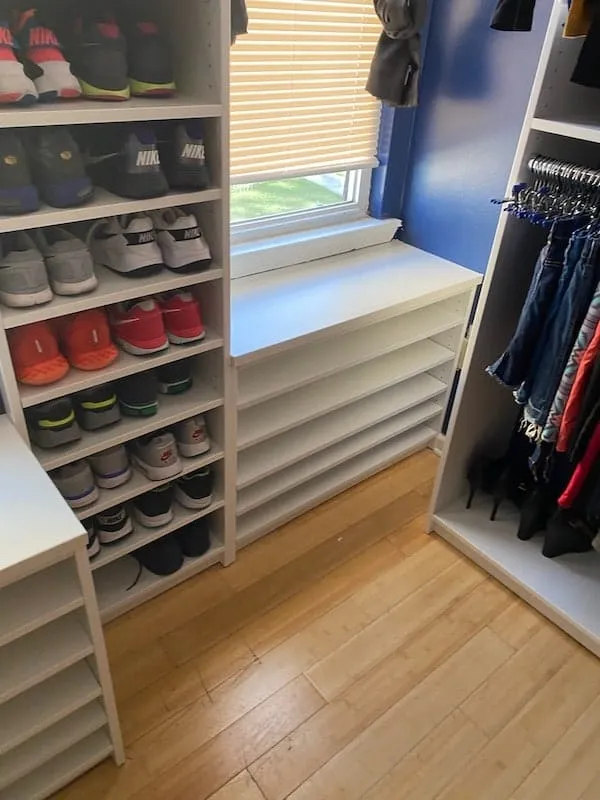
Shoes create some of the biggest closet headaches for families. A shoe organizer designed for your specific needs, whether that’s an over-door rack, floor cubby, or shelf system, keeps footwear visible and accessible. For a small closet, vertical shoe storage maximizes every inch.
Create a Donation Station
Set up a designated bin or bag where family members can drop outgrown or unwanted items throughout the year. This prevents closets from becoming holding grounds for things no one uses anymore. When the bin fills up, donate and repeat.
Don’t Forget the Linen Closet
Your linen closet deserves the same organizational attention as bedroom closets. Store sheets in sets by folding them inside one pillowcase. Keep frequently used towels at eye level and backup supplies higher up. This approach to home organization for families extends your efforts beyond just clothing storage.
Kids’ Closet Organization by Age
What works changes as children grow.
| Age | What helps |
|---|---|
| Toddlers and preschool | Low rod, open bins with picture labels, a few outfits within reach |
| School age | Rod at their height, labeled drawers, a spot for tomorrow’s outfit and school clothes |
| Tweens and teens | Full-height rods, more drawer space, shoe storage, room for sports and activity gear |
Store the next size up on a high shelf and move outgrown clothes straight to the donation bin. Adjustable shelves and rods mean the same closet can move through every stage.
Try a Family Closet
A family closet is one central closet, often next to the laundry room, that holds everyone’s everyday clothes. Clean laundry goes from the dryer to one place instead of five bedrooms, and each person gets a labeled section of rods, shelves and bins. It suits homes with young children and a spare room or large closet near the laundry. Bedroom closets then hold off-season and special-occasion clothes.
Closet Organizers Worth Buying in 2026
Buy organizers after you declutter and measure, not before.
- Slim matching hangers free rod space and keep clothes from slipping.
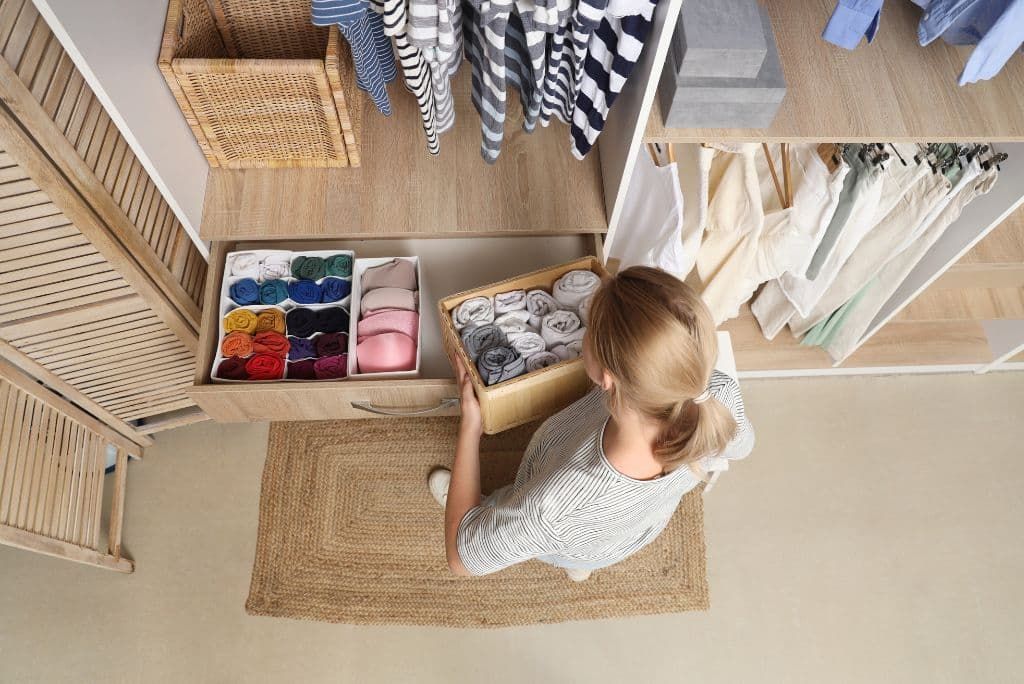
- Drawer dividers keep socks, underwear and kids’ small items in order.
- Shelf dividers stop stacks of sweaters and jeans from toppling.
- Labeled bins for hats, gloves, swimwear and accessories.
- A hamper in every closet, ideally with separate bins for lights and darks.
- An over-the-door shoe organizer for small shoes and accessories.
Custom Closet Solutions for Families
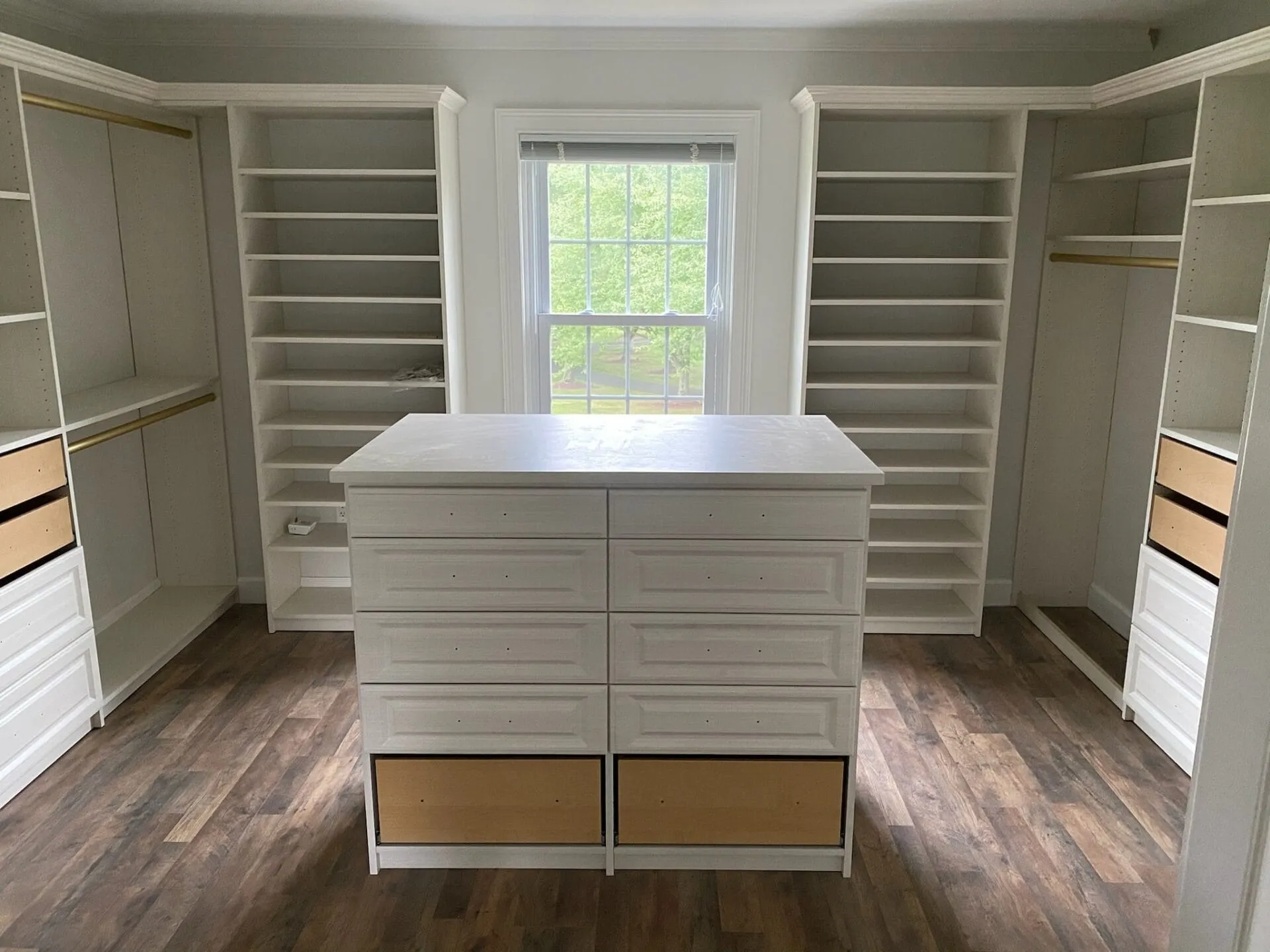
Sometimes, no amount of bins and baskets can solve fundamental space problems. That’s where a professionally designed closet system makes all the difference.
Custom closets offer several advantages that standard setups simply can’t match:
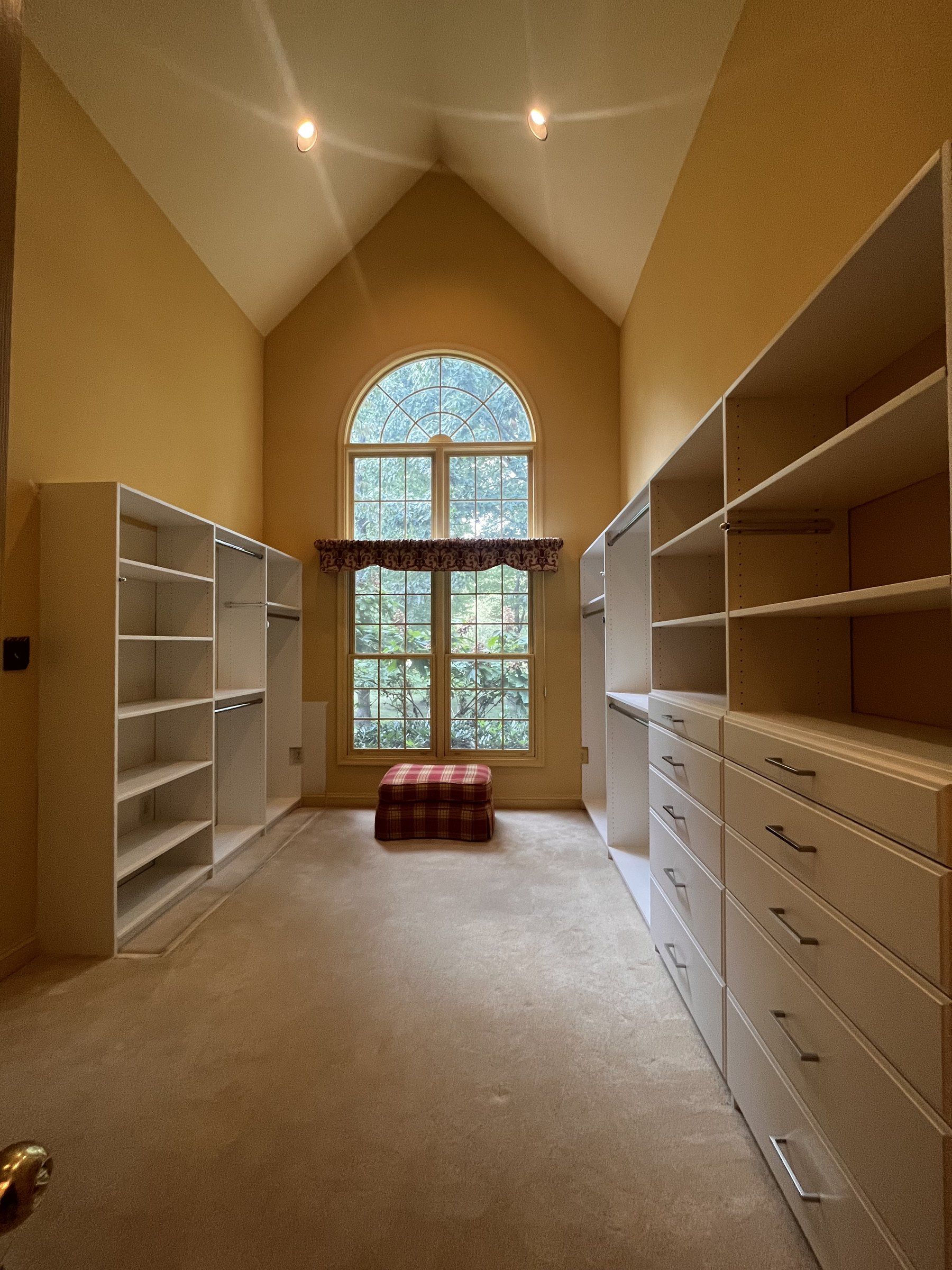
- Adjustable shelving that grows with your children and adapts to changing storage needs
- Built-in hampers and pull-out baskets that keep dirty clothes contained and sorted
- Specialized storage for sports equipment, accessories, and awkward items that don’t fit standard organizers
- Full use of vertical space, so even a small closet holds more
- Durable materials designed to withstand years of daily family use
A custom closet organizer eliminates the frustration of trying to make generic solutions work for your specific situation. Professional designers assess your family’s actual needs, how many shoes you own, whether you fold or hang most items, how your daily routines flow, and create systems built around real life.
The payoff is time saved and spaces that function the way your family lives, with less reorganizing every time things fall apart.
Whole-Home Organization for Families
True home organization for families extends beyond individual closets to create connected systems throughout your house. When every space works together, maintaining order becomes dramatically easier.
Consider these whole-home strategies:
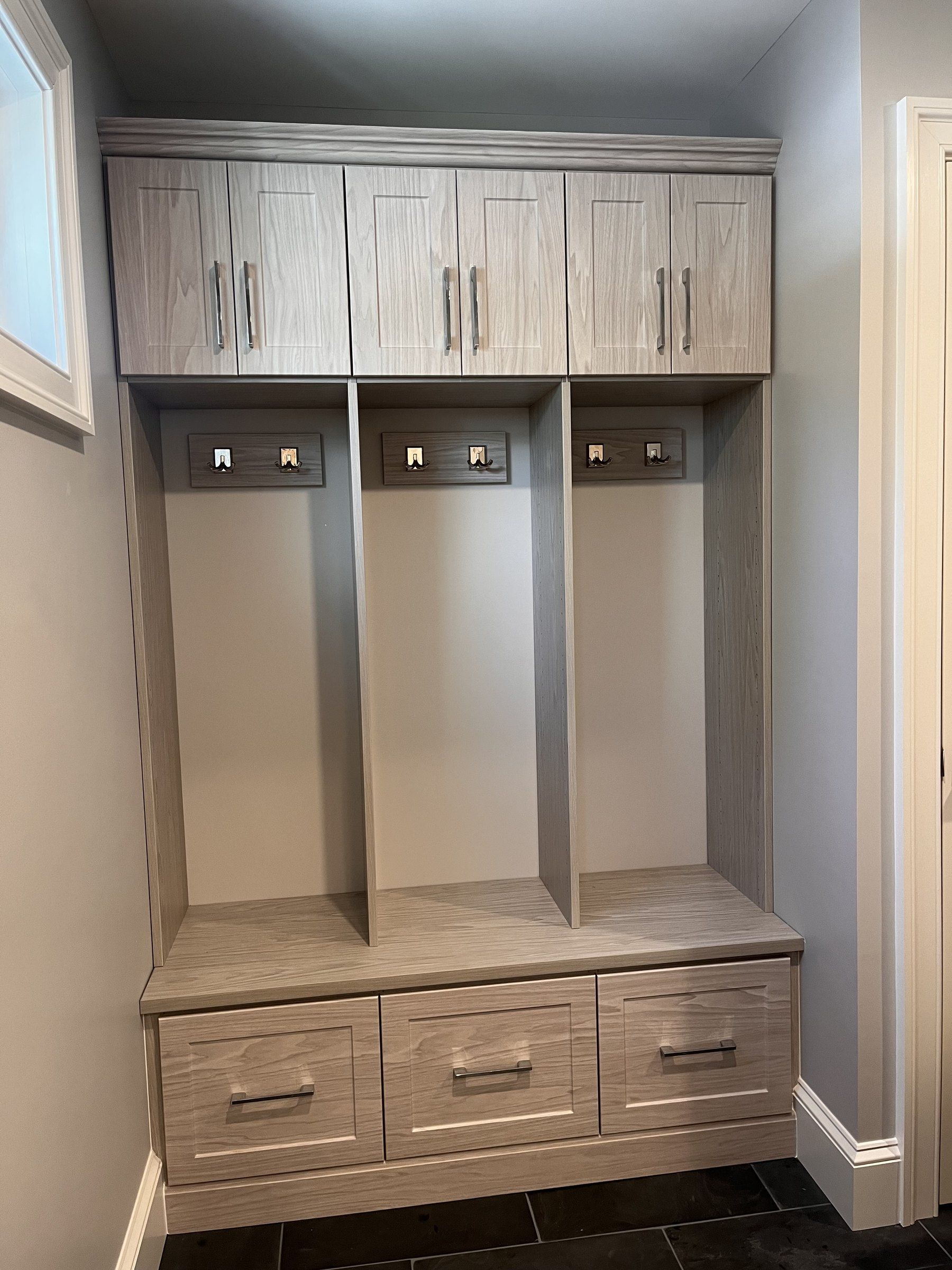
- Entryway storage with hooks at multiple heights, cubbies for each family member, and a landing zone for keys, mail, and daily essentials
- Mudroom solutions that contain backpacks, sports gear, and seasonal items before they spread through your home
- Pantry organization using the same zone-based principles that work in clothing closets
- Garage storage systems that keep overflow items accessible but out of living spaces
- Bathroom organization with designated spaces for each family member’s toiletries and supplies
The key to successful storage solutions for families is consistency. When organizational principles stay the same from room to room, everyone learns the system faster and maintains it longer. Kids who understand zones in their bedroom closet will naturally apply that same thinking elsewhere.
Start with your most problematic spaces, usually primary bedroom closets and kids’ rooms, then expand your efforts throughout the house. Each organized space creates momentum that makes the next project easier.
Closets Designed Around Your Family
If bins and baskets are not enough, Closets For Less designs and installs reach-in closets, walk-ins and mudrooms for families in Bucks County, Montgomery County and the Philadelphia area. The free in-home consultation is followed by a 3D design you can revise before anything is ordered. For budgeting, see our custom closet cost guide.