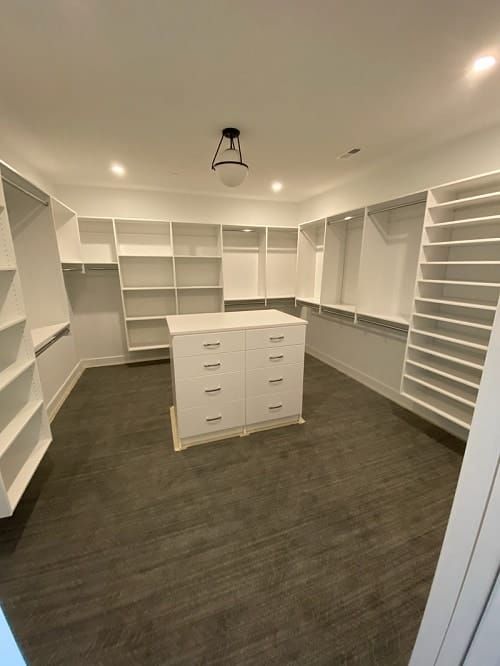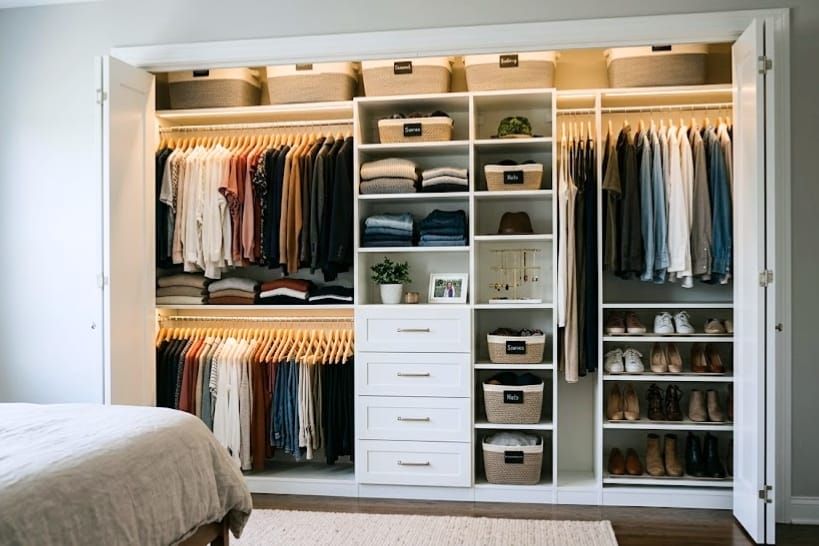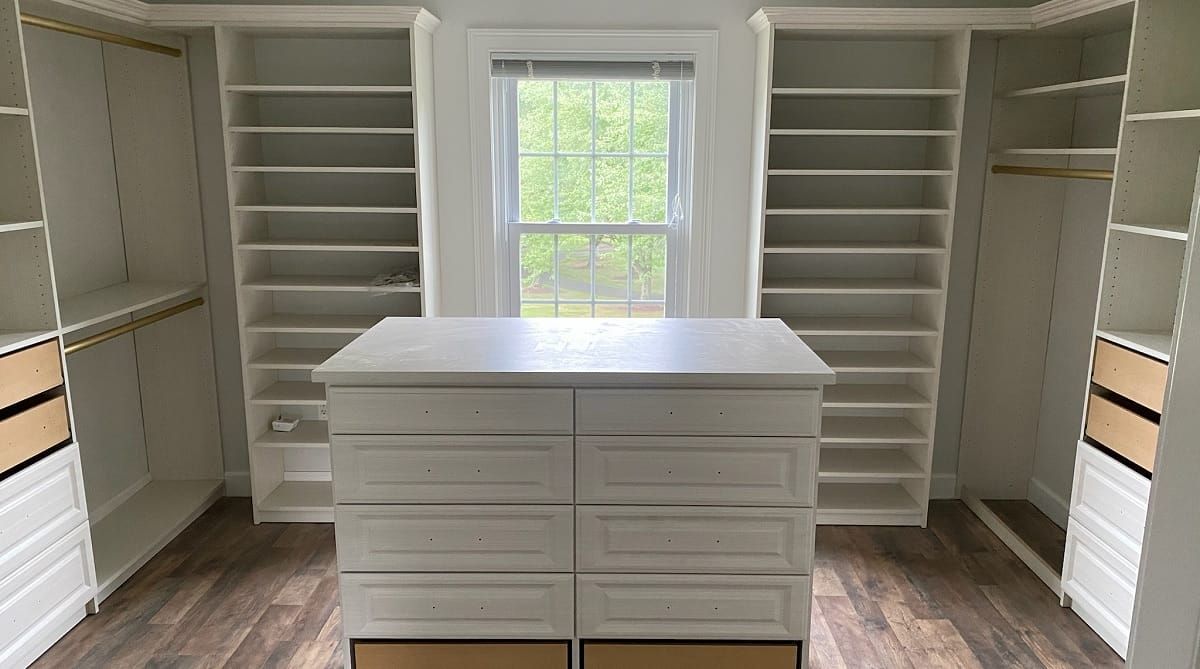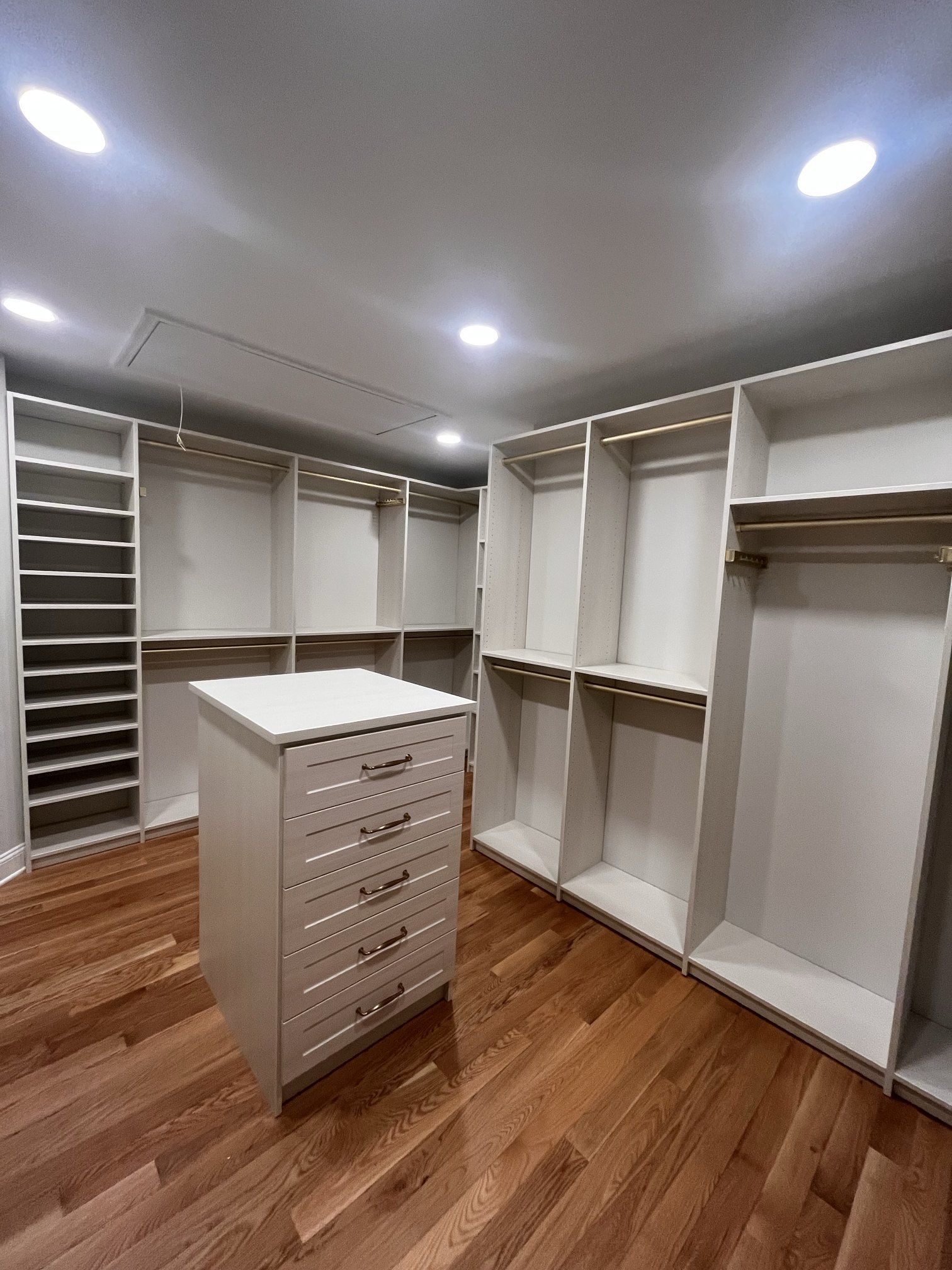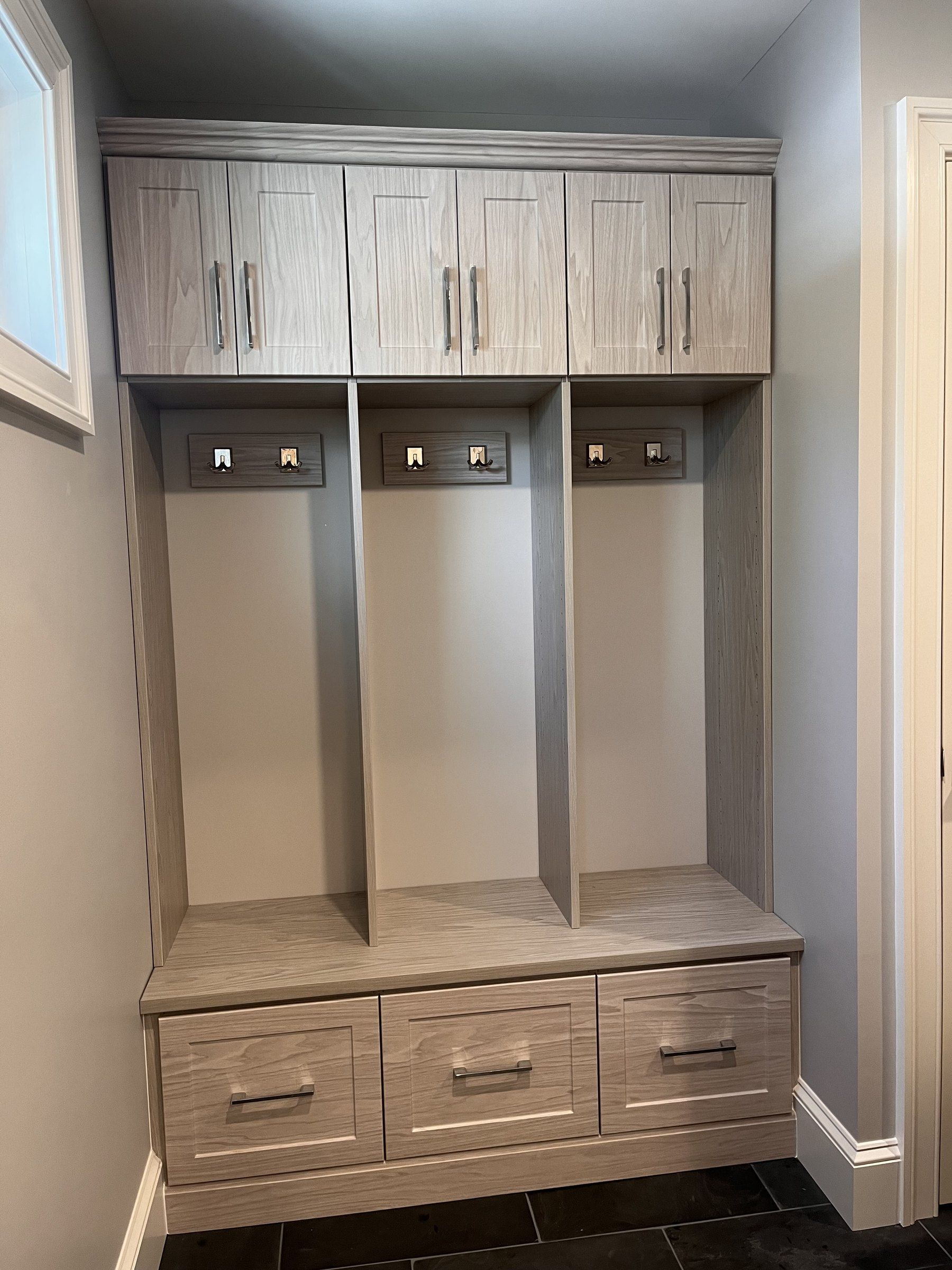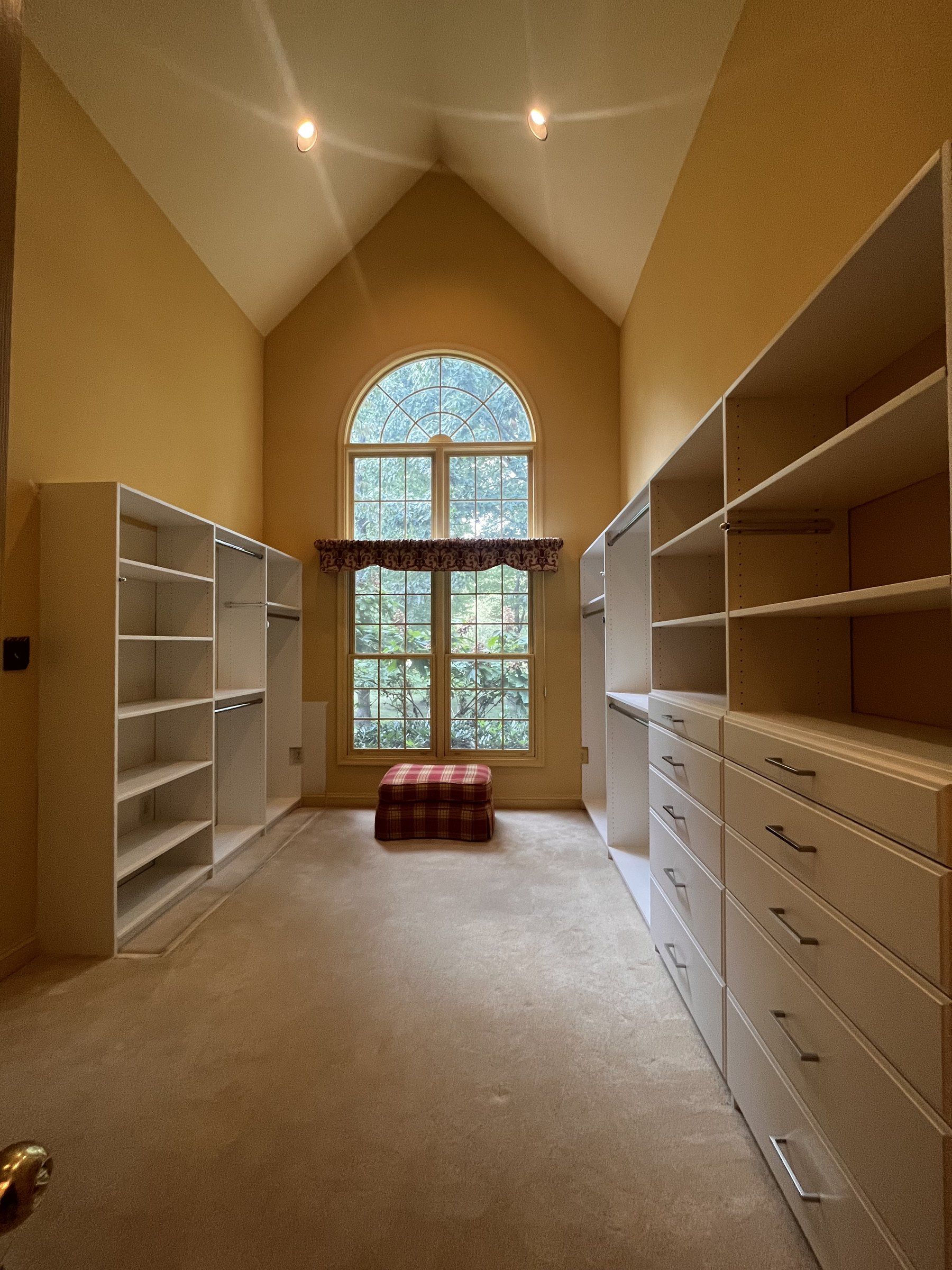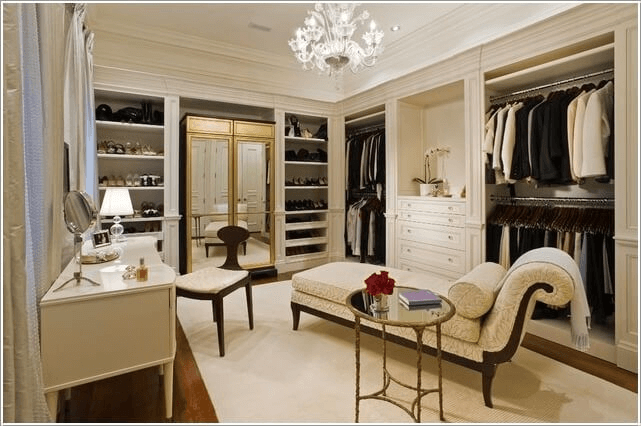
Turning a room into a closet means emptying a spare bedroom, guest room or basement room and lining its walls with hanging rods, shelves and drawers sized to your wardrobe. Add blinds to the window, good lighting and a full-length mirror, and the room becomes a walk-in closet. You can do it on a budget with prefab storage or have it custom designed.
Are you drowning in clothes with nowhere to put them?
If you’re considering ways to maximize your home’s storage potential, you might want to turn a room into a closet. More homeowners are doing it because they need dedicated space for their wardrobe, accessories and seasonal items. A spare bedroom, unused guest room or basement space can all work, and converting an entire room into a custom walk-in closet design gives every item a place.
With a few simple changes, you can turn your spare room into an organized and stylish closet that will make getting dressed each day a breeze.
Why Convert a Room Into a Closet?
The decision to turn a room into a closet often stems from practical needs that standard bedroom closets simply can’t meet. Many homeowners find themselves with overflowing dressers, clothes piled on chairs, and accessories scattered throughout multiple rooms. A dedicated closet room solves these problems and gives you an organized space that makes getting ready each day easier.
Beyond the obvious storage benefits, a room-sized closet offers you a private dressing area where you can see your entire wardrobe at once. This visibility helps you make better outfit choices and prevents you from forgetting about items hidden in the back of cramped closets. You’ll also have room for a full-length mirror, seating area, and proper lighting.
For growing families, converting an extra room into a shared closet space can make a real difference. Instead of cramming children’s clothes into undersized closets, you can create designated zones for each family member. This approach teaches kids organizational skills while keeping their bedrooms clutter-free and more spacious.
Related Article: How to Maximize Closet Space With Little Hanging Room
Best Rooms to Turn Into a Closet
Choosing the right room for your closet conversion is crucial to the project’s success. These are the most practical options.
Spare Bedroom
A spare bedroom is often the ideal candidate when you want to turn a room into a closet. These rooms typically feature good lighting, climate control, and convenient access from the primary bedroom or hallway. If your spare bedroom sits next to your primary suite, you might even consider adding a connecting doorway to create a true walk-in closet experience.
A typical spare bedroom has plenty of wall space for an extensive clothing collection, shoe storage and accessory organization. You can install built-in shelving along every wall, add a center island for folded items and jewelry, and still have room to move comfortably.
Guest Room
Before you convert a guest room, consider how often you actually host overnight visitors. Many guest rooms sit empty most of the year. If this sounds familiar, turning that guest room into a closet might be a smart choice. You can still accommodate occasional guests with a quality air mattress or sleeper sofa in another room.
Alternatively, create a dual-purpose space that functions primarily as your closet but includes a Murphy bed or daybed for guests. This compromise lets you enjoy daily benefits from the room while keeping the ability to host when needed.
Basement Room
A basement room offers unique advantages when you turn a room into a closet, particularly if you have limited options on your main living floors. Basements stay cool and dark, which suits delicate fabrics, leather goods and seasonal items. Just make sure your basement is properly waterproofed and climate-controlled before investing in a closet conversion.
The main consideration with basement closets is accessibility. You’ll want to make sure the space works with your daily routine rather than becoming a place where clothes go to be forgotten. Basement closets work best for seasonal storage, special occasion wear, and items you don’t need daily access to.
Design Options for a Room-to-Closet Conversion
Once you’ve selected your room, the design possibilities are wide open. The key is creating a layout that matches your specific wardrobe and lifestyle needs.
Here are a few closet conversion tips to get you started:
Invest in Lighting and Blinds for Your Window
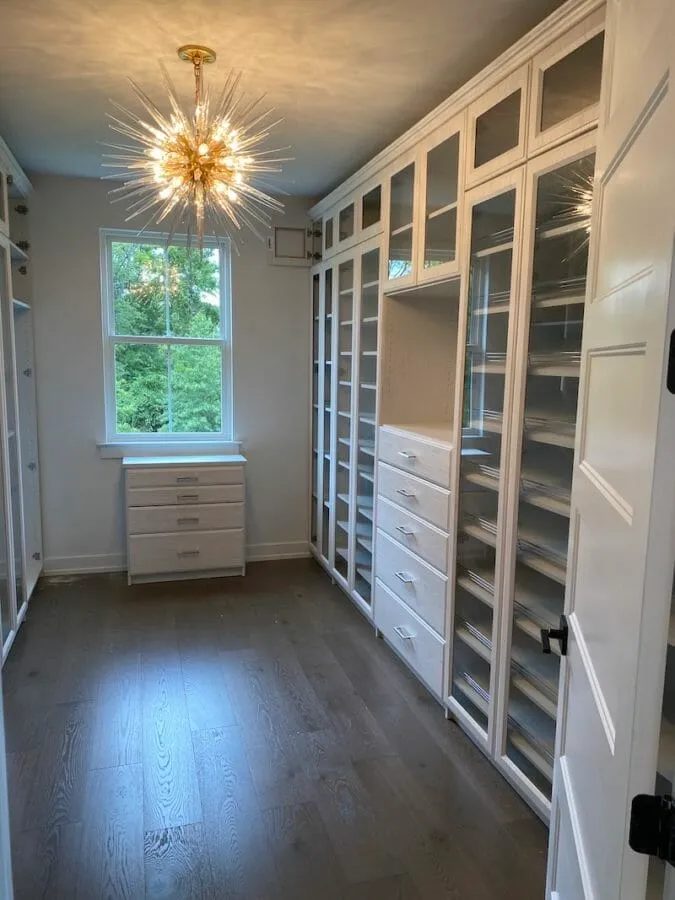
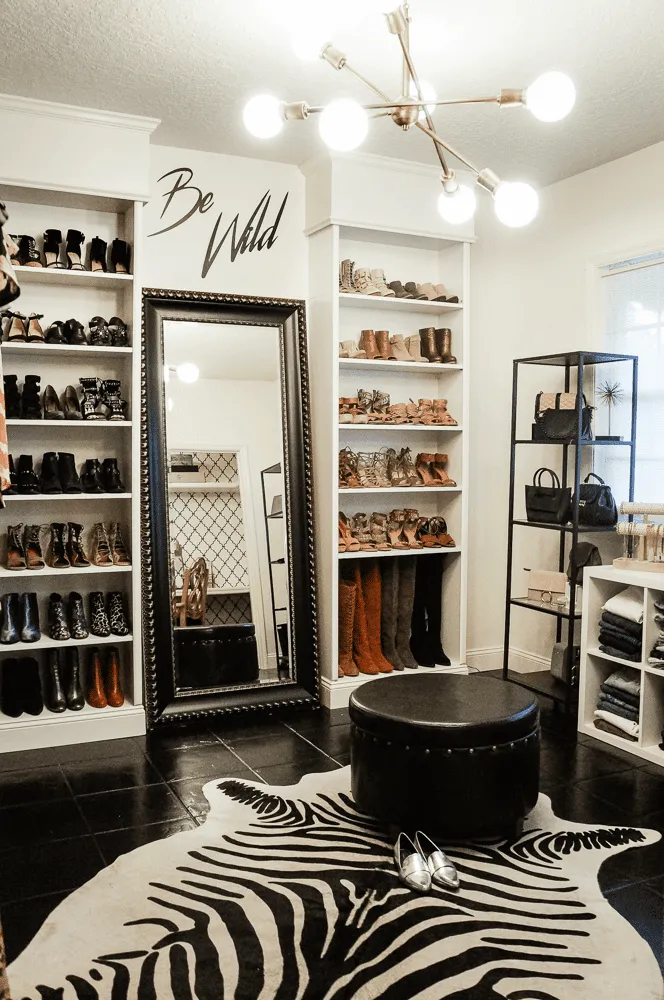
Photo courtesy of Upbeat Soles
Any fashionista will tell you that there is nothing worse than a faded wardrobe. The colors become dull, and the fabric can start to look old and worn.
Unfortunately, sunlight is one of the biggest culprits when it comes to fading clothes. So what’s the main culprit? Bedroom windows! That’s right, if you’re converting your bedroom into a closet be wary of too much natural light. You can solve this problem by placing blinds over windows.
In addition to blinds, you will need good lighting for your walk-in closet design. Indoor lighting fades fabric far less than direct sun, so your wardrobe will stay looking fresh for longer. Simply head to the home improvement store and pick up some blinds and lighting.
Double-Check Your Look with a Mirror
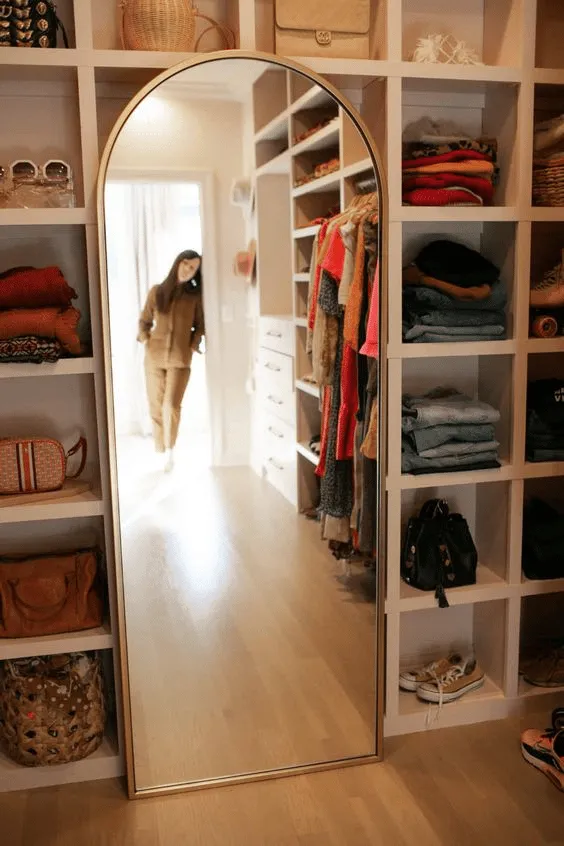
Photo courtesy of A Beautiful Mess
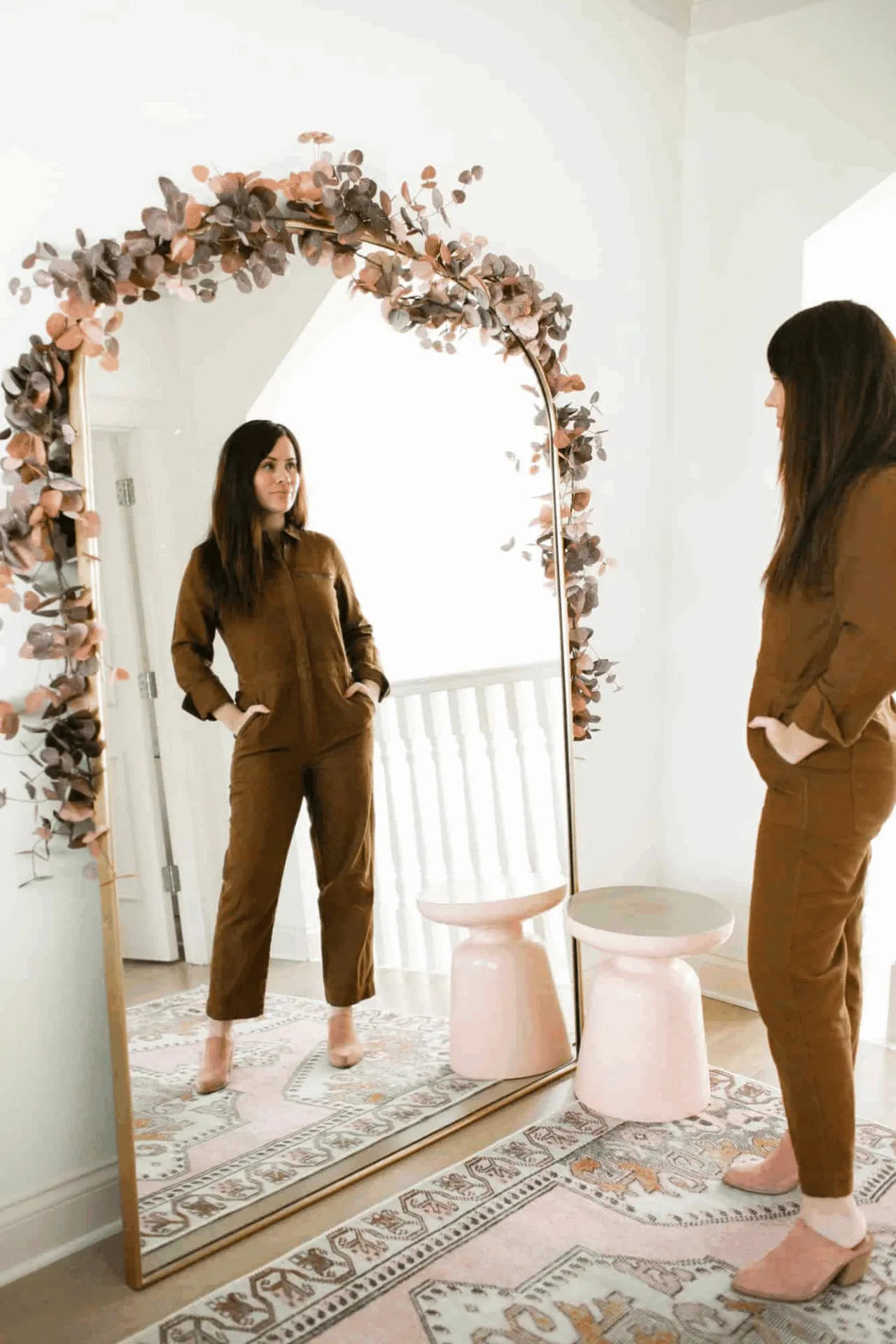
One of the key elements to creating a functional and stylish space is a full-length mirror. Not only does a mirror help you see your outfit from head to toe, but it also reflects light and makes the space feel larger.
Plus, it’s a great way to check your hair and makeup before heading out the door.
Add a Sitting Area
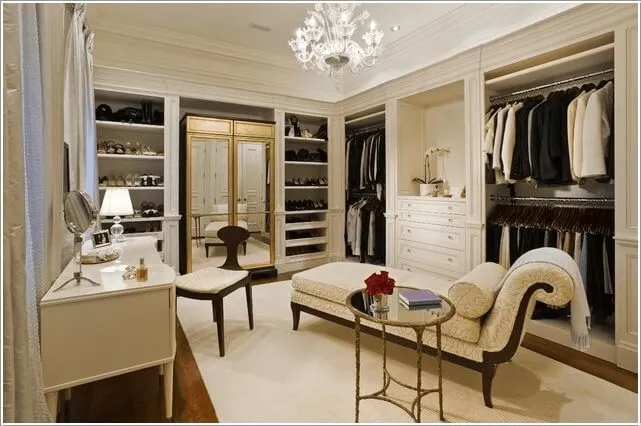
Photo by Amazing Interior Design
If you’re going to turn a bedroom into a closet, you will need a place to sit! Whether your new closet is a spare bedroom that you’ve converted or a true walk-in, a sitting area gives you a private spot within your own home.
A chaise lounge, a bench seat, or a closet desk is an excellent piece to complete the look of your new closet. Not only does it add a touch of comfort, but it also provides the perfect spot to sit after trying on clothes or shoes.
When you’re ready to take a break, you or the occasional guest can spend time in your own private retreat.
Extra Hanging and Storage Spaces
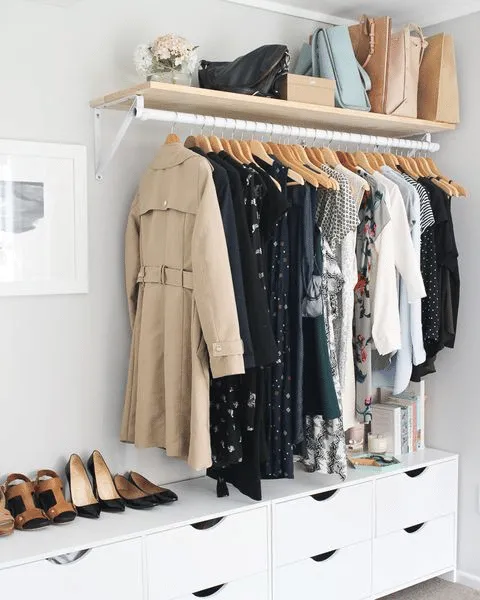
Photo from House Beautiful
Any fashion lover knows that extra storage space is crucial for turning spare bedrooms into walk-in closets.
With room to hang dresses, shirts, and other clothing items, as well as space to store shoes, handbags, and other fashion accessories, a walk-in closet gives every item a home.
Cabinet doors are a great way to create more storage space in closets. Add shallow shelves or hooks to the inside of the cabinet doors for belts, scarves and small accessories.
Telescopic Valet Rods
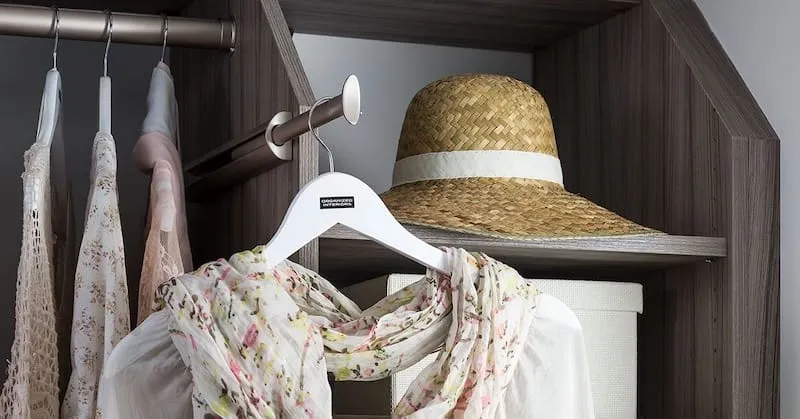
Photo from Organized Interiors
A telescopic valet rod is a perfect addition to any walk-in closet. It pulls out when you need to hang tomorrow’s outfit, a garment fresh from the dry cleaner or clothes you are packing, then slides back out of the way.
The rod is adjustable, so you can extend it only as far as you need. It mounts to the side of a closet section and takes up only a few inches when closed.
With a telescopic valet rod, a converted bedroom works like a real dressing room.
Double Hangers
One of the simplest ways to turn your spare room into a walk-in closet is to invest in some double hangers. Double hangers are twin sets of hangers that are joined together at the top.
This design allows you to hang two items of clothing from one hanger, allowing you to maximize storage potential in your closet.
Double hangers are also great for organizing your clothes by season or type. For example, you could pair outfits that you wear together, or group summer pieces on one set and winter pieces on another.
By using double hangers, you can make the most of your spare room and turn it into an efficient walk-in closet or dressing room.
Shoe Storage
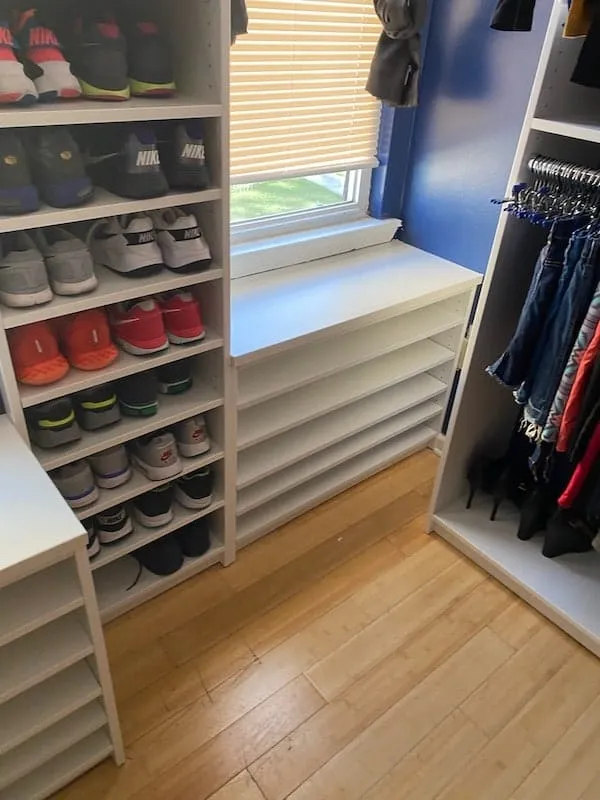
Are you looking to maximize space as you turn your bedroom into a closet? One of the most effective ways to maximize space in a small extra bedroom or walk-in closet is to go vertical with your shoe storage. By storing shoes on shelves or vertical shoe racks, you can keep them organized and out of the way. Additionally, you can free up floor space for other items such as clothing or luggage. Our guide to the custom shoe closet has more layouts.
Open Garment Racks
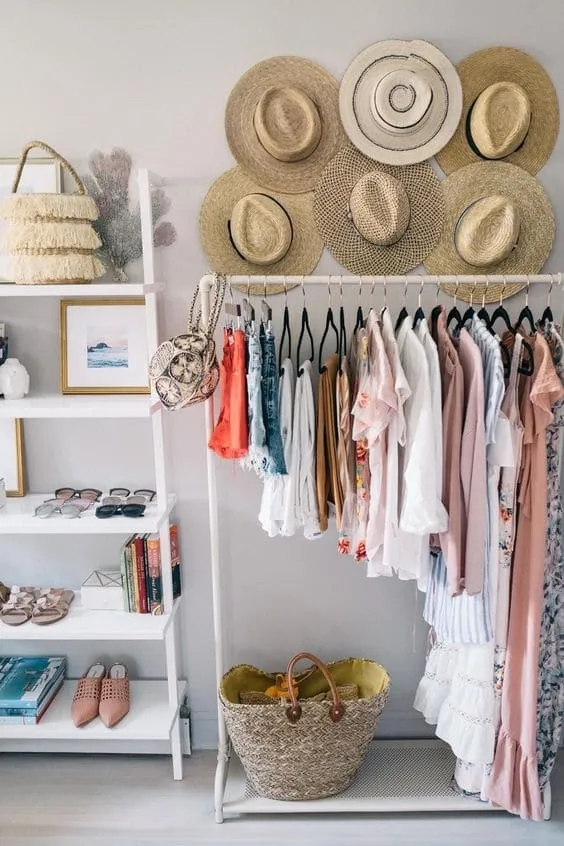
Photo by Jess Ann Kirby
Adding an open garment rack to a walk-in closet is a simple and relatively inexpensive way to boost its storage capacity and organization. By installing an open garment rack, you can easily add an extra layer of wardrobe storage.
Introduce Colors: Add Rugs, a Closet Island, and Wall Accents
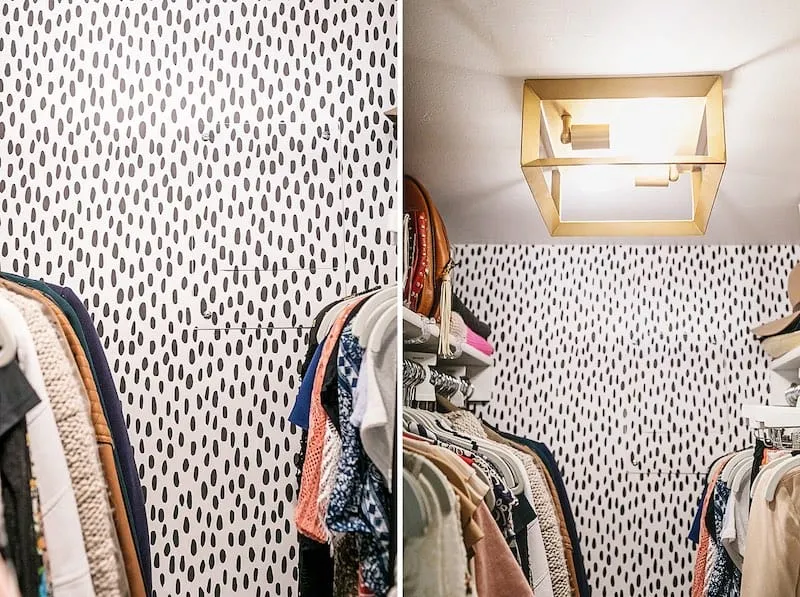
Photo by Diana Elizabeth Blog
There are many ways to add color to a bedroom closet. One way is to add a brightly colored rug. Rugs not only add visual interest but also help the room feel cozy.
Another way to add color is to fill up wall space with new wallpaper, wall-mounted paintings, or photographs. This adds personality to your space and also helps to visually expand the room.
Finally, don’t be afraid to experiment with bold colors and patterns on the wall. A little bit of color can go a long way in making a bedroom closet feel like a truly personal space.
Custom Closet Design vs. DIY: Which Should You Do?
When you’re ready to turn a room into a closet, you’ll face an important decision: custom installation or DIY approach?
DIY closet conversions appeal to budget-conscious homeowners comfortable with tools. Pre-made systems from home improvement stores can be installed over a weekend for a few hundred dollars. However, these solutions come only in standard sizes that may not fit your room’s dimensions or use the available space well, and wire or thin shelving can sag under heavy loads.
Custom closet design starts with precise measurements and a system built for the room, including ceiling height, awkward angles, windows and outlets. Custom systems typically use 3/4” furniture-grade boards, with options including adjustable shelving and soft-close drawers rather than wire shelving.
The biggest difference is space planning. A designer maps your wardrobe to the walls (how much long hanging, double hanging, shelving and drawer space you need) so you get exactly what you planned without DIY trial and error.
| DIY prefab system | Custom closet system | |
|---|---|---|
| Sizing | Standard widths and heights | Built to your walls and ceiling height |
| Materials | Wire or thin laminate shelving | 3/4” furniture-grade boards |
| Drawers | Limited options | Soft-close drawers sized to your wardrobe |
| Installation | You, over a weekend | Installed by the designer’s own team |
| Budget | A few hundred dollars and up | Quoted after an in-home measurement |
Room-to-Closet Cost Considerations
Budget planning is essential when you turn a room into a closet. Costs vary significantly based on room size, materials, and customization level. DIY conversions using prefabricated systems are the lowest-cost route. A custom system is priced from the room’s measurements, the materials and finishes you choose and how many drawers, doors and accessories you include. Our custom closet cost guide breaks down what moves the price.
Beyond the closet system, factor in additional expenses like painting, flooring, electrical work for lighting, and any new doorway between the closet room and the primary bedroom.
To keep the budget under control:
- Reuse furniture you already own.
- Keep existing walls and doors.
- Prioritize rods and shelves first.
- Defer islands and decorative cabinetry.
- Budget electrical and flooring separately.
Turn a Room Into a Custom Closet in Bucks County
If you’re in Bucks County, Montgomery County or the Philadelphia area and ready to turn an underused room into a walk-in closet, Closets For Less can help. The team has designed and installed custom closets since 2007.
It starts with a free in-home design consultation to understand your wardrobe, measure the room and discuss your storage needs. The consultation is followed by a 3D design of the closet that you can review and revise before anything is ordered, and the team then installs the finished system. Request your free design consultation when you are ready.