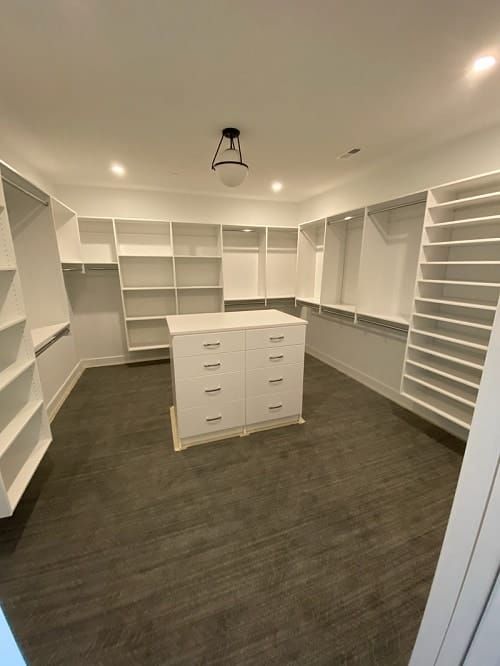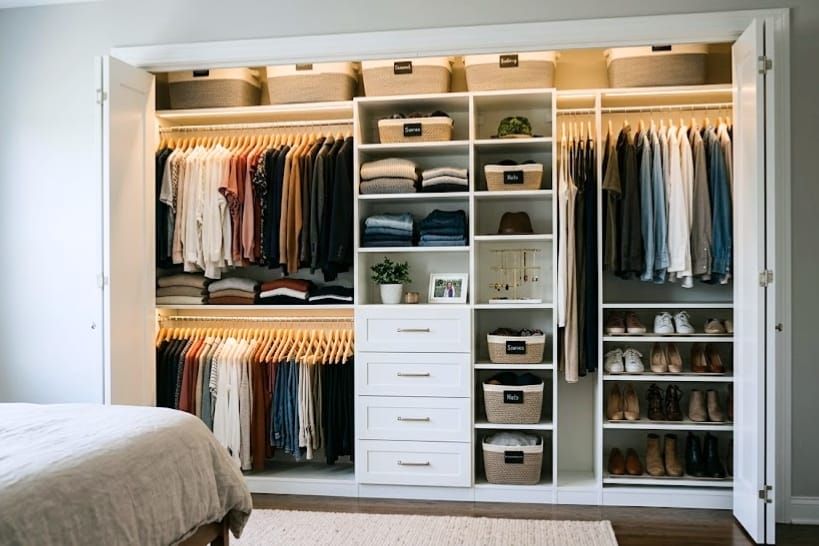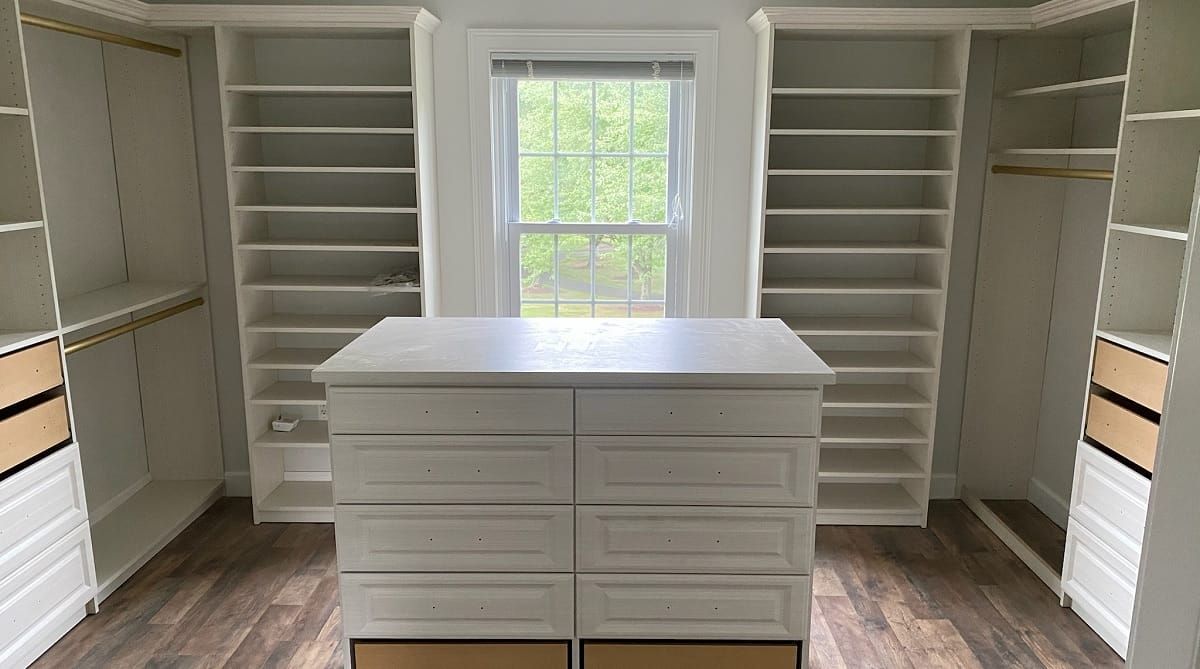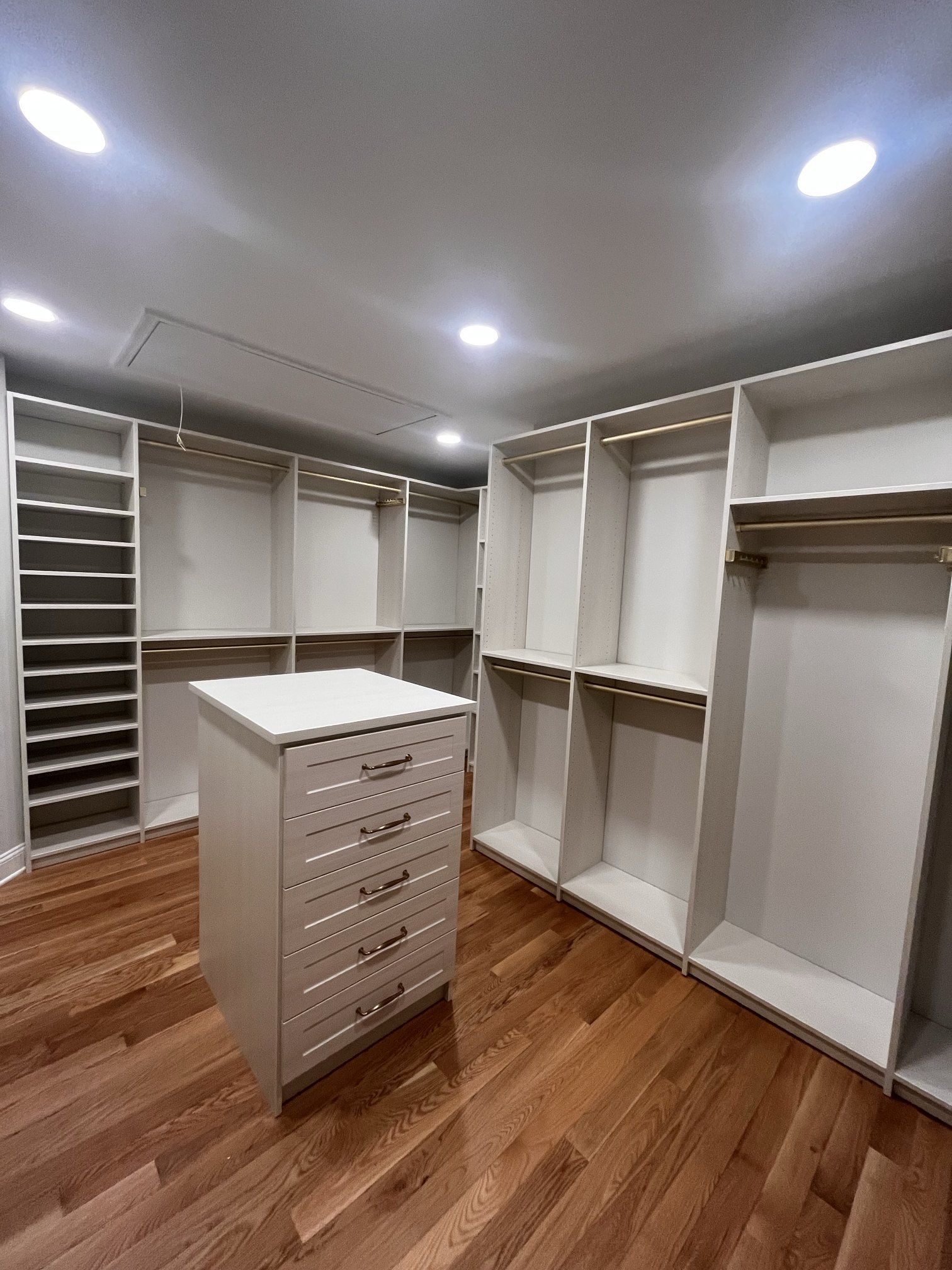
Custom closets can add value to a Bucks County home, but mostly through daily use and stronger showings rather than a dollar-for-dollar bump in the appraisal. The closets buyers notice are the primary closet, the pantry, the mudroom and the garage. Closets For Less has designed and installed closets across Bucks County since 2007, and this guide covers what the data says and where a closet earns its keep.
What the data says about closets and resale
There is less hard data on closets than on kitchens and baths, and much of what circulates online has no clear source. One number does: in the National Association of Realtors 2025 Remodeling Impact Report (April 2025), members of the National Association of the Remodeling Industry estimated that a closet renovation recovers about 83 percent of its cost when the home sells. That put closet renovation among the highest cost-recovery projects in the report.
Two cautions. It is a national estimate made by remodelers, not a measured sale price for Bucks County. And it means you get back part of what you spend, not more than you spend. The honest summary: a well-designed closet is one of the better-recovering home projects, and the rest of its value comes from living with it.
Where a custom closet adds the most value
Not every closet is equal in a buyer’s eyes. Spend where people look first:
| Space | Why it matters to buyers | What to install |
|---|---|---|
| Primary bedroom closet | Opened in every showing, photographed for the listing | Drawers, double-hang, shelving to the ceiling, good light |
| Pantry | Kitchen storage is a top question | Adjustable shelves, pull-outs, a spot for small appliances |
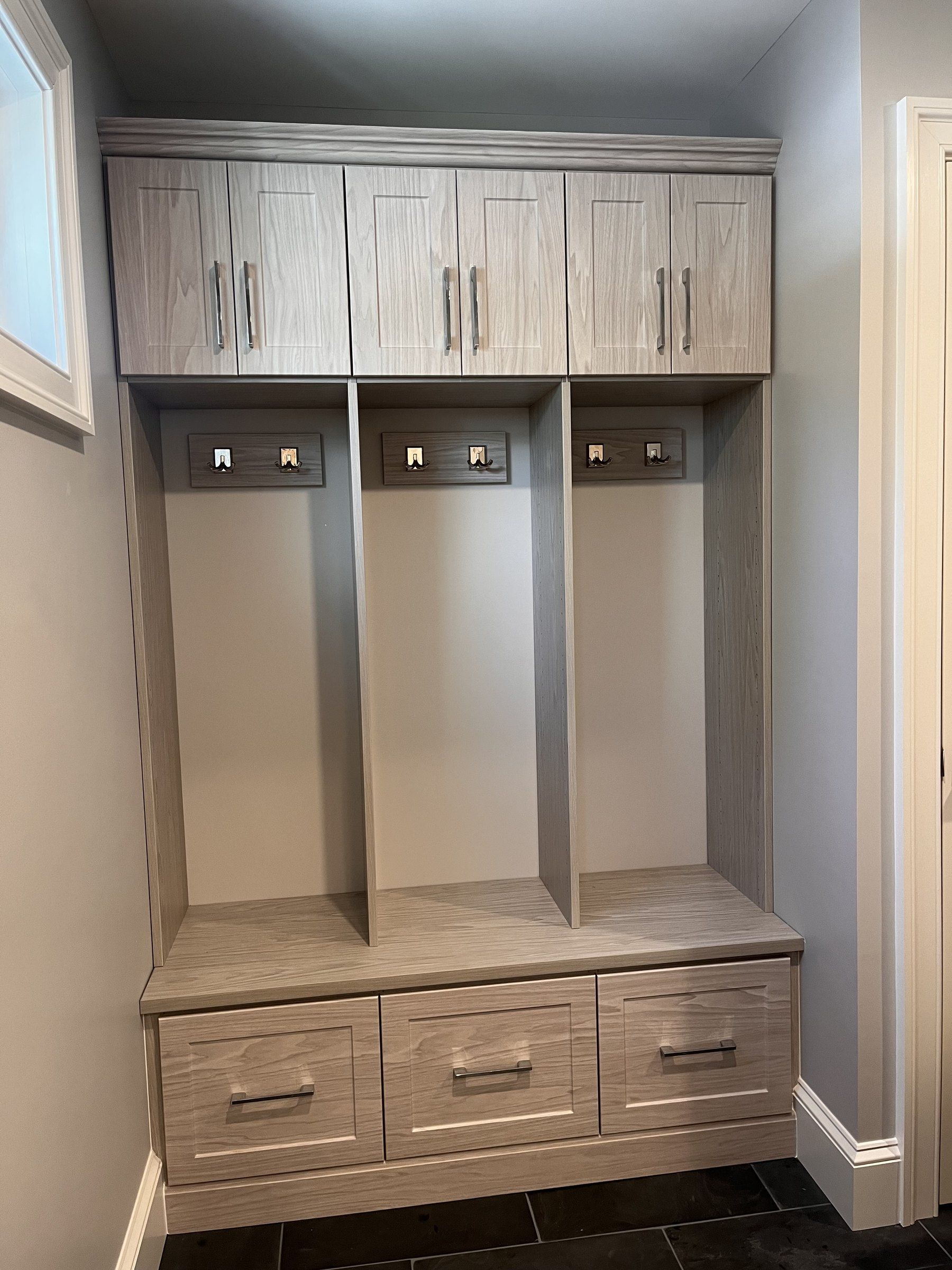
| Mudroom or entry | First impression from the garage or side door | Cubbies, hooks, a bench, shoe storage |
| Garage | Shows whether the garage holds cars | Cabinets off the floor, slatwall, a workbench |
| Secondary bedroom closets | Noticed less | A clean reach-in system, double-hang |
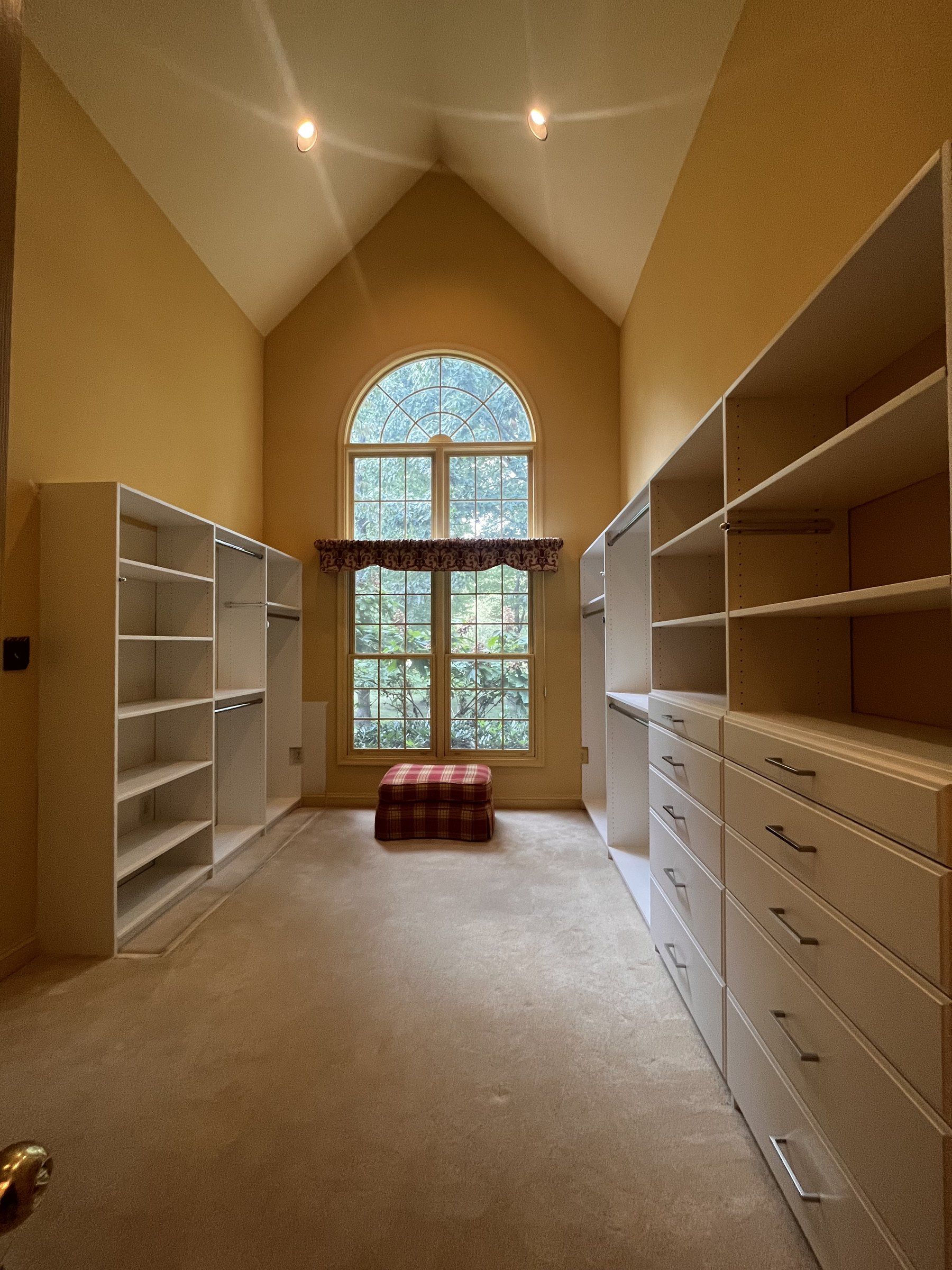
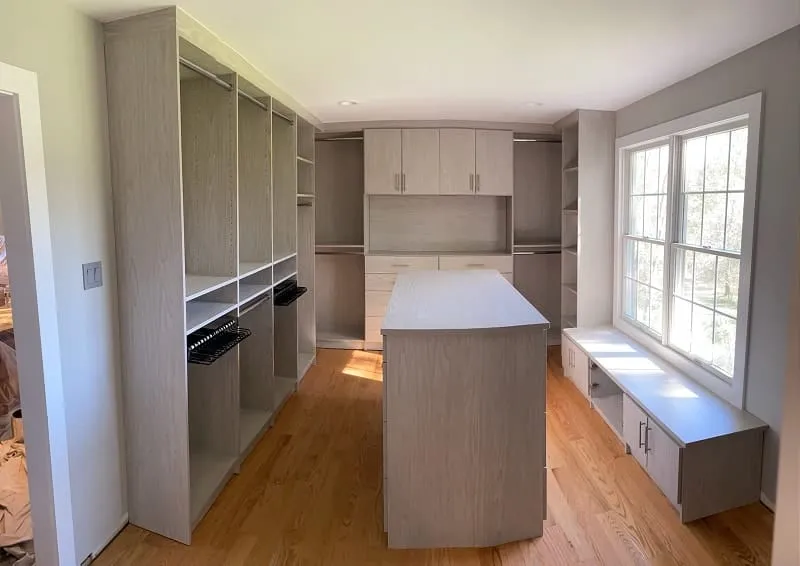
A primary walk-in closet or a well-planned reach-in closet in the main bedroom carries most of the weight. The rest is about making the house look like it has room for a family’s things.
What Bucks County homes need from their closets
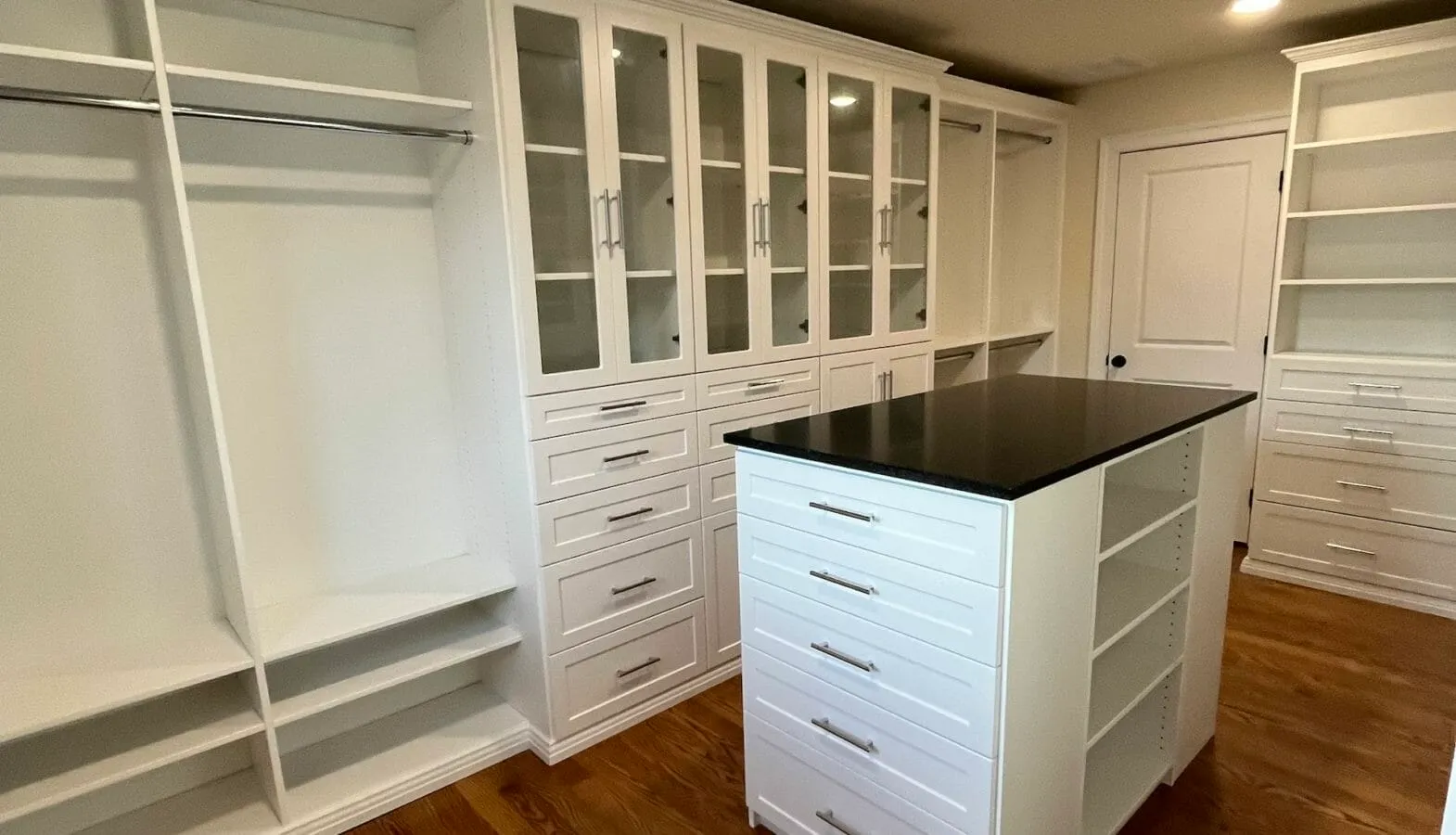
Housing across the county varies a lot, and so do its closet problems:
- Postwar homes in Lower Bucks. Levittown is built around 1950s ranch-style houses with small reach-in closets, and nearby neighborhoods from the same era share the problem. Rebuilding the inside of a 2-foot-deep closet with double-hang rods and a drawer stack is often the biggest storage gain available.
- Older homes in central Bucks. Stone farmhouses and older colonials around Doylestown and New Hope often have few closets, shallow ones, or none in some rooms. Wardrobe closets and built-ins that fit around plaster walls and uneven floors solve what standard units cannot.
- Newer construction in Central and Upper Bucks. Subdivisions from the 1980s onward usually have a walk-in in the primary suite, but finished with a single wire shelf and rod. Replacing the wire with a full system is a common first project after moving in.
- Basements, attics and garages. Across all of them, a finished basement, attic eaves or a two-car garage is storage most homes underuse.
A local designer who has seen these houses can spot what works in each before measuring. You can see more on our closet design page for Bucks County.
Design choices that hold their value
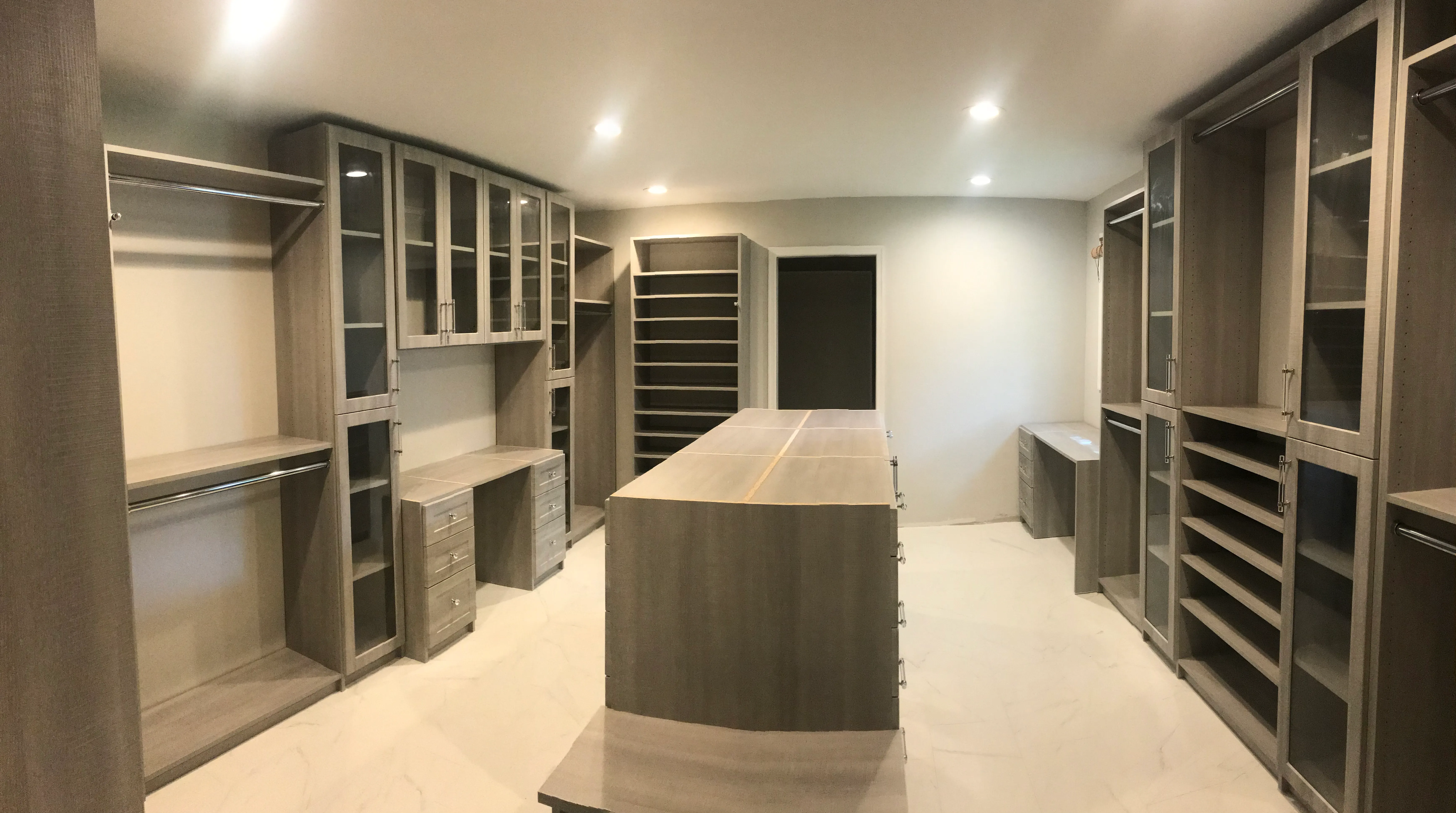
A closet you plan to sell with should appeal to the next owner as well as you. Choices that age well:
- Adjustable shelving. The next owner can rearrange it without tools.
- Drawers inside the closet. Buyers like freeing the bedroom from a dresser. Closet drawer systems with soft-close slides feel solid in a showing.
- Furniture-grade boards. 3/4 inch panels stay flat under folded stacks and do not sag the way thin shelving can.
- Neutral finishes. White, light wood and soft grays suit most homes. Save bold colors for spaces you will stay with.
- Good light. A dark closet looks small in photos. Bright, color-accurate LED makes it look bigger.
- Room to change. A mix of long-hang, double-hang and shelving works for more households than a layout built around one wardrobe.
Preparing for a custom closet installation
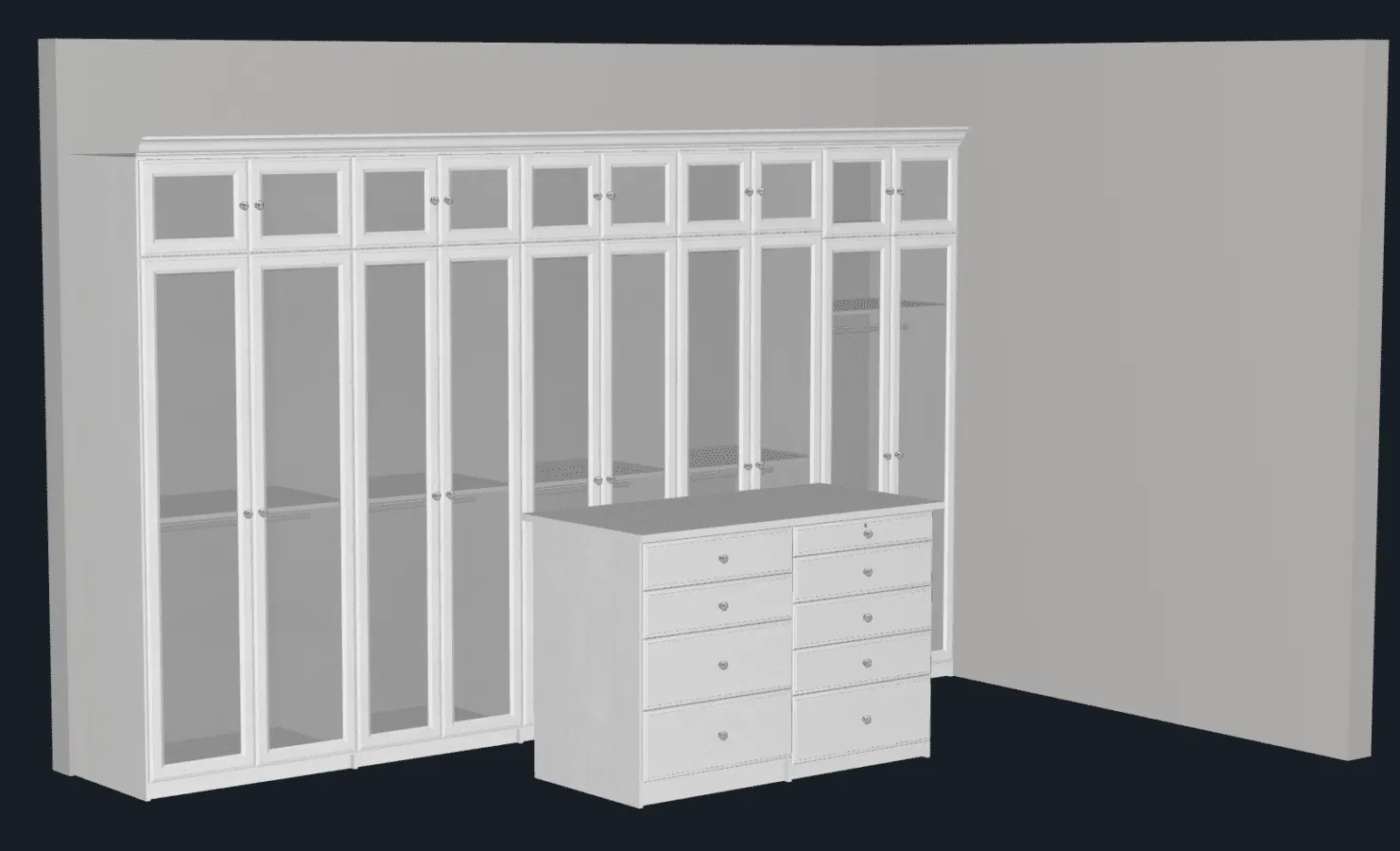
- Inventory what you store. Count long-hang and short-hang items, folded stacks, shoes and bags. Add room for growth.
- Decide how long you will stay. If you are selling soon, keep it neutral. If you are staying, design for your routine.
- Set a budget range. Size, drawers and finishes drive the price. Our custom closet cost guide walks through what moves the number.
- Ask the right questions. Who measures, who designs, who installs, what materials are used and what the quote includes. Our guide to choosing a custom closet company has a full checklist.
- Clear the closet before installation. Empty closets go in faster and cleaner.
A free in-home design consultation is followed by a layout and an estimate for your actual space, so you can weigh the cost against what it gives you before you commit.